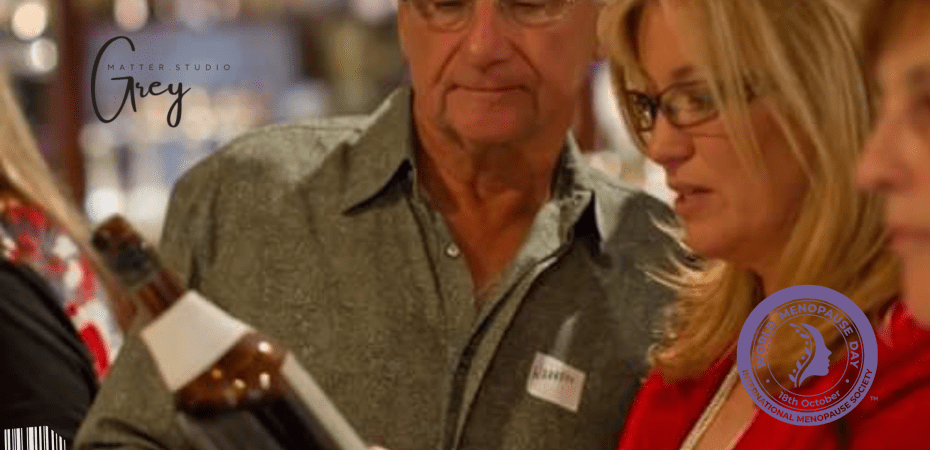
For sixteen years, my social calendar revolved around a glass of good (vintage) wine. I founded a social club that celebrated the art of wine and the pleasure of connection.
We raised thousands for charity over the years through tastings, wine walks, dinners, and our famous Vintage Balls that sold out within days. There was laughter, generosity, and a shared love of something beautiful in a bottle.
Then the pandemic arrived, and the cork came out of everything. Events became impossible to organise, and enthusiasm fizzled as people retreated into smaller, more cautious circles. The social fabric that had held us together ie wine, conversation, and community, began to fray.
But that wasn’t the hardest part (for me).
Somewhere in the same turbulent period, my body began sending distress signals. Menopause had already been rewriting the rulebook, but suddenly, my beloved wines, especially the crisp dry whites, became my enemy. A single glass could leave me flushed, congested, and miserable. It felt as though I’d become allergic overnight.
The culprit? Histamines.
Histamines are natural compounds produced by the body as part of the immune response, but they’re also present in many foods and drinks , especially those that are aged, fermented, or preserved. Wine, particularly red and some white varieties, is a histamine hotspot. So are aged cheeses, cured meats, and even seemingly innocent foods like spinach, avocado, and fish. When the body can’t effectively break down histamines, often due to hormonal changes or gut imbalances, the result can be headaches, hives, digestive distress, or a cluster of symptoms that feel suspiciously like an allergy.
My histamine levels were through the roof.
Favourites like bacon and avocado joined wine on the “forbidden” list. Even a cup of tea or coffee could trigger a reaction. So, under guidance, I went cold turkey: no wine, caffeine, or high-histamine foods for a month.
The difference was extraordinary. My energy returned. My skin and digestion settled. For the first time in years, I felt like myself again albeit a version of me that now politely declined that glass of Chardonnay.
Five years on, my diet remains restricted, even though many claim you can “heal the gut” and gradually reintroduce those foods. I’ve chosen not to test it.
The social club closed its doors long ago, but its legacy lives on in the memories it created. I raise a glass of water with quiet gratitude — for the people, lessons, and then for learning to listen to what my body was trying to say all along.
It turns out I’m not alone.
Across Australia and beyond, more women in midlife are cutting back on alcohol — or giving it up altogether.
Menopause can heighten sensitivity to alcohol, affecting sleep, mood, and metabolism. For some, it’s about avoiding hot flushes or anxiety spikes; for others, it’s simply that their body says no more. What used to relax us now leaves us restless. Sure, the ritual remains, but the drink often changes.
So, my world of flavours is smaller, yes, but my energy and wellbeing are back – which feels like a celebration worth raising a glass to. Hmmm, and that would be an affogato type glass with a shot of coffee in these days…

Saturday 18 October
World Menopause Day
Discover more from GreyMatter.StudioLife
Subscribe to get the latest posts sent to your email.

❤️❤️❤️
Sent from my iPhone
LikeLike