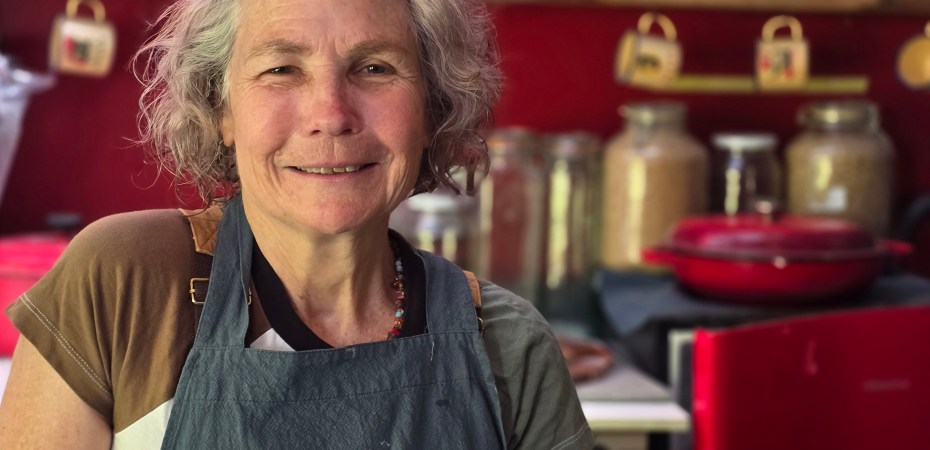
You know when you walk into a space and feel instantly comfortable? That was me. It’s late on a Saturday morning, on the edge of the city, and I’m being welcomed into the home of Jane Copeland to talk about bread. Not in an abstract way. In a real, flour-on-the-bench, daily-community-ritual kind of way. I’m in awe.
I relax so completely that when Jane asks if I’d like a coffee, my response overshoots familiarity and lands somewhere between honesty and completely inappropriate for a first meeting. “No, I’ll just have water. I’m a coffee snob.”
Truly, who says that?
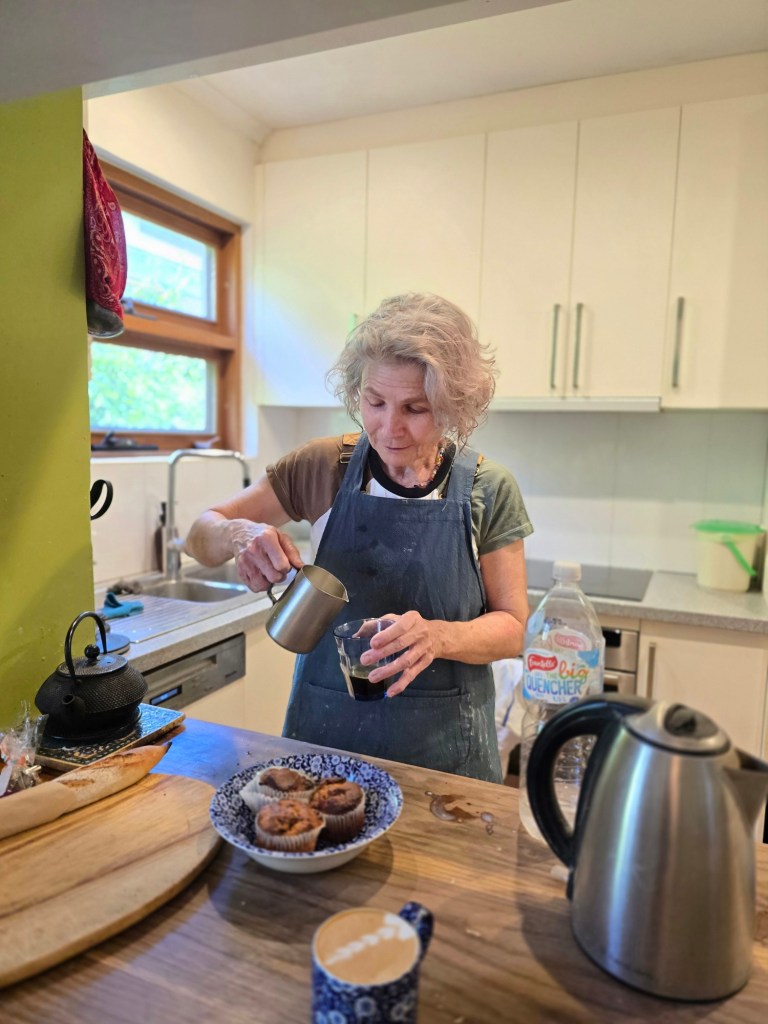
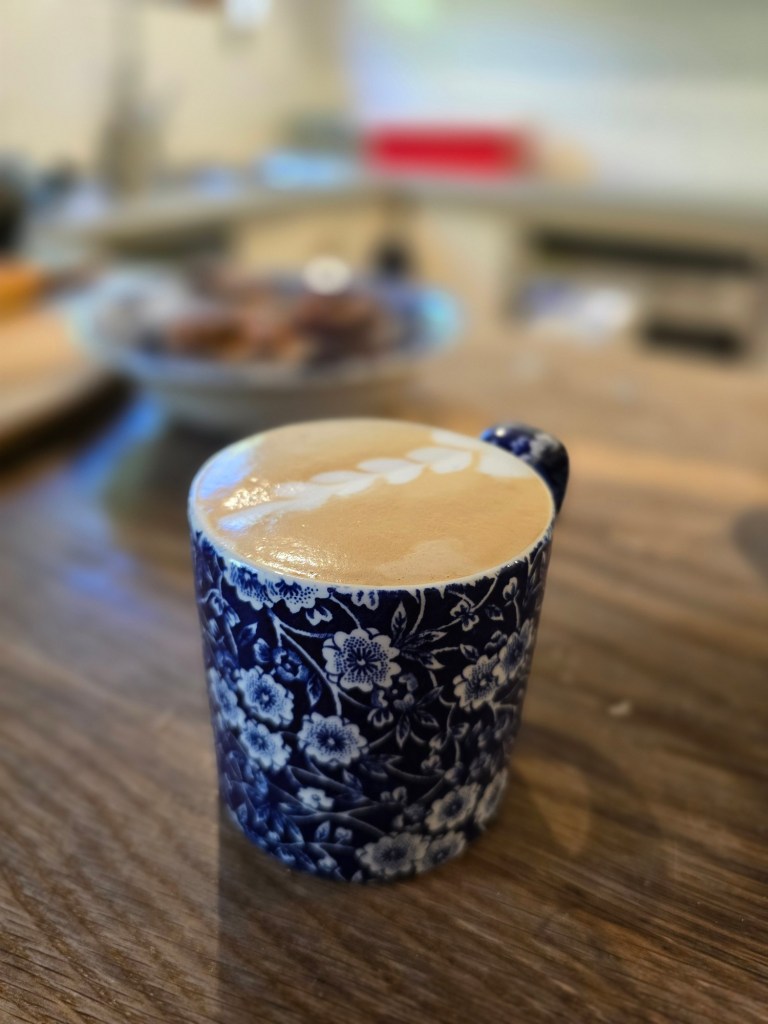
Jane barely flinches. After she convinces me to try hers and I admit it’s divine, she smiles and says, “Good. Because I’m a coffee snob too.”
We agree, without ceremony, that instant coffee should be banished from modern life and it sits well because Jane’s world is a quiet rebellion against speed. It’s slow living, without the curated or aspirational. Routines are built around care, repetition, and the love of sharing food – and a good coffee, much to my delight. Faux pas over, the interview begins with bread as the centrepiece; belonging, the subtext.
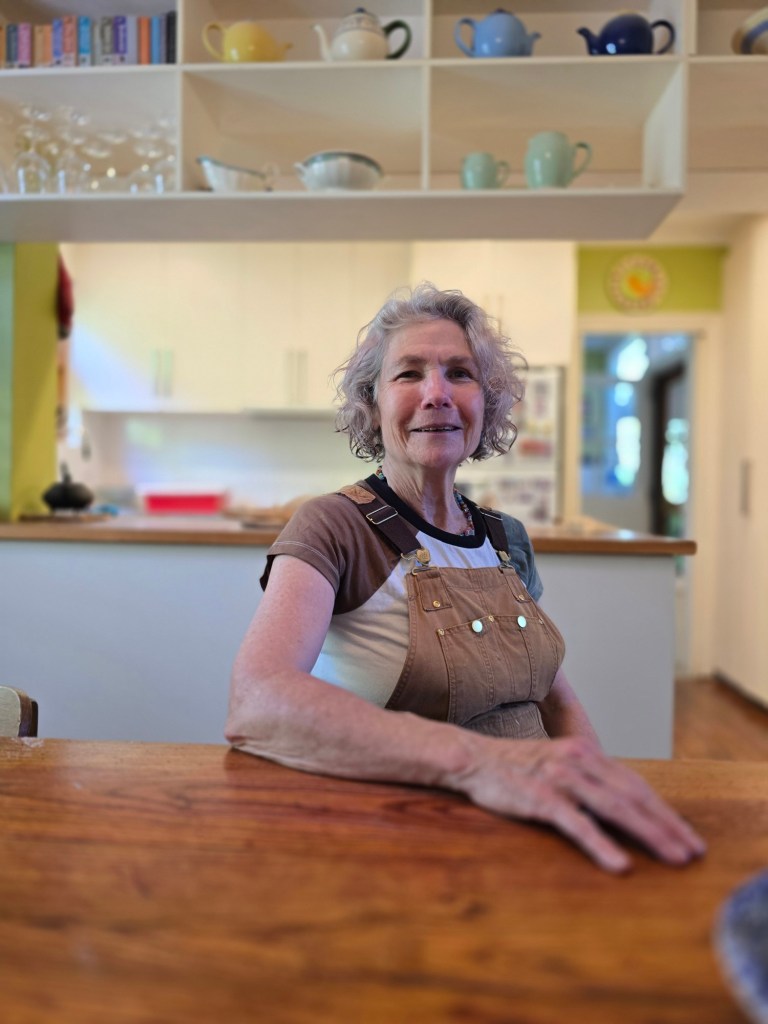
Now, in stark contrast to her bountiful, brimming garden, Jane’s home is simply furnished, the kind of space that feels collected and lived, rather than styled. The interior decor style wouldn’t be out of place in a provincial French village, with her blend of rustic charm and refined elegance.
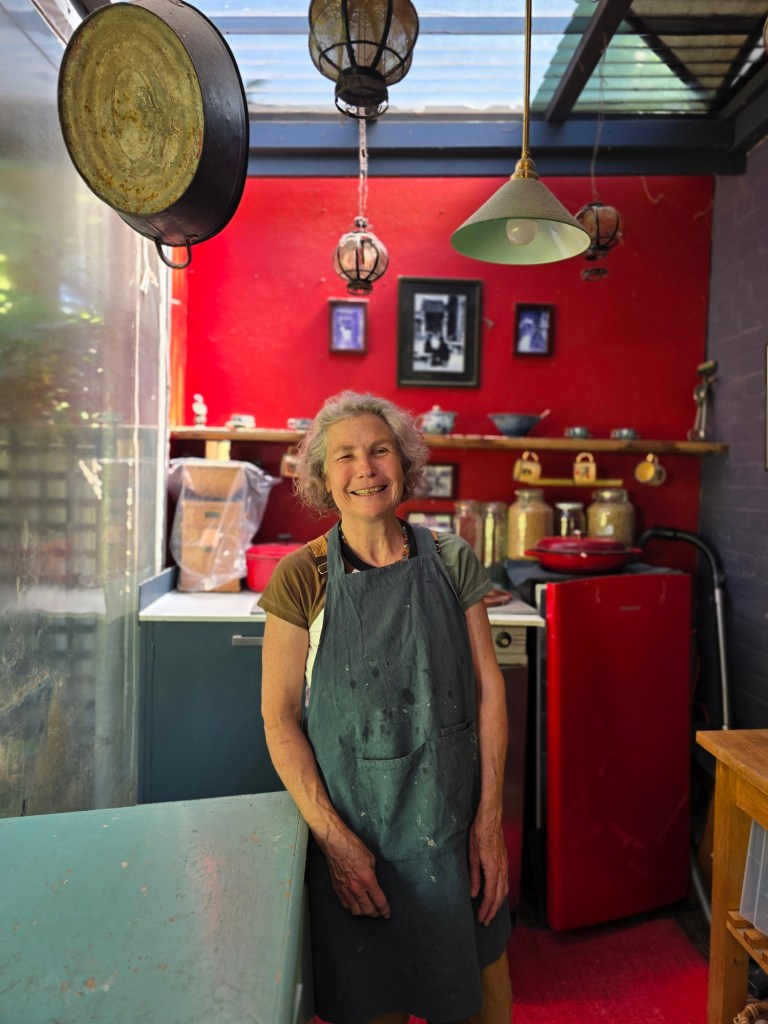
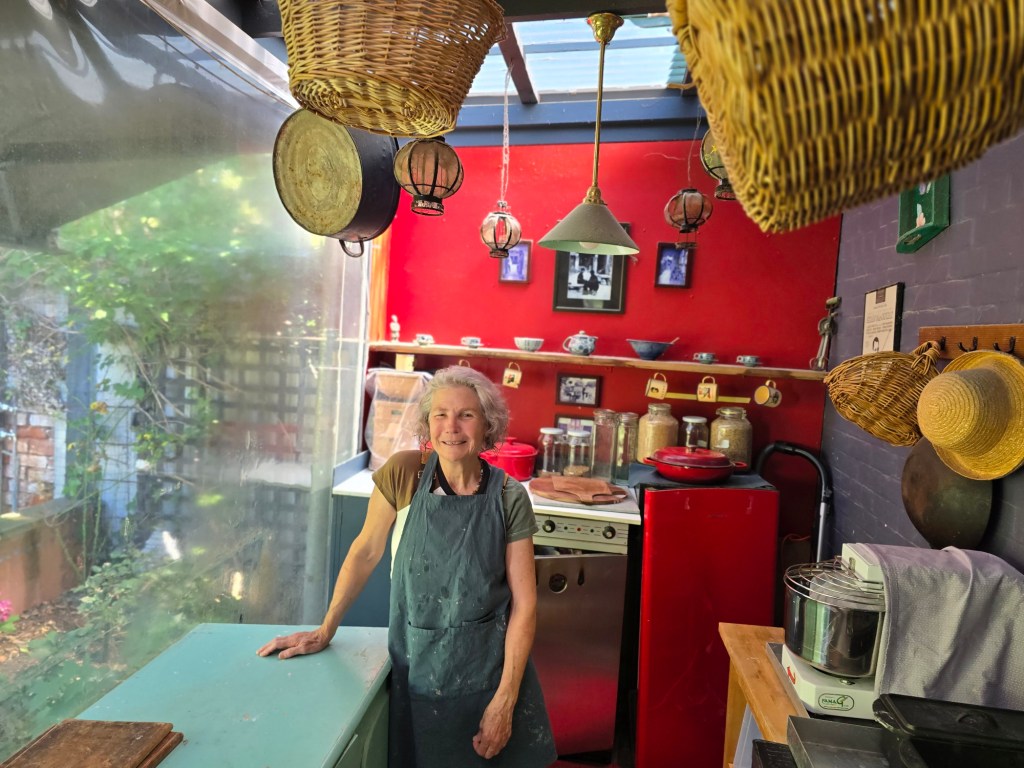
We start in her bakery kitchen. (I recognise it immediately from the Guardian article).
The red Chinese wall, as she calls it, hits first. It’s bold, almost confrontational, and completely at odds with Jane’s relaxed, hippy ease. It signals passion without apology with a definite undercurrent. It gives off a vibe, an energy that definitely speaks ‘happy place’.
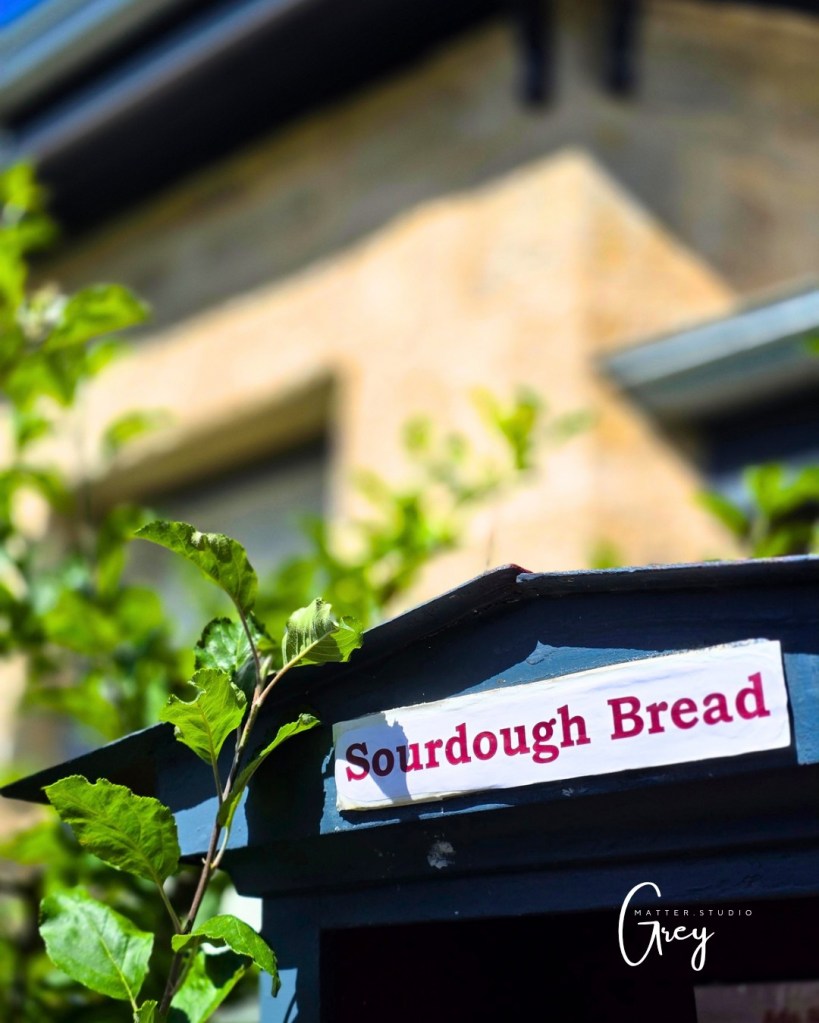
Bread lives here. Specifically sourdough. Not a side hustle. Not a brand. Just bread, doing what bread has always done: sustaining life and extending possibility.
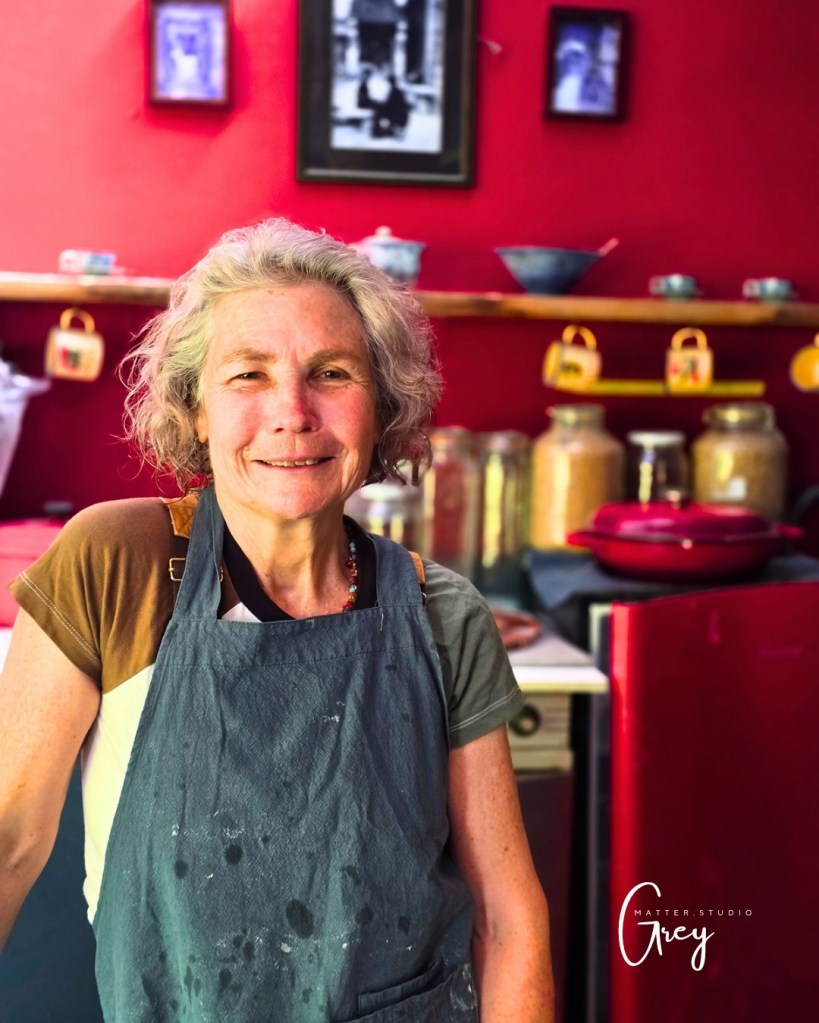
A little side note from Jane, who, when I used the term “sourdough and rye” thinking they were two separate breads, shared “All the bread I make is sourdough (which is a method of making bread) with rye one of the types (flavours if you like) of sourdough that I make.” We continue our learnings with grace.
We sit and chat at her large wooden dining table (sipping our coffee).
Jane’s memories surface easily: travels, meals shared, techniques absorbed over time.
Breadmaking, once just a personal discipline she set herself, has quietly grown into something more. What Jane is part of, is bigger than just bread. Her kitchen sits quietly inside a broader shift toward slower, more human-scale ways of living and working.
Across food, craft and care, people are stepping back from fast, standardised systems in favour of local production, flexible work and relationships that feel personal rather than transactional.
The revival of slow food, the rise of informal micro-enterprises and the growing economic participation of people in later life all intersect here. They are driven by a shared desire for autonomy, meaning and connection which are the things conventional employment and industrial food systems simply struggle to deliver.
In this context, small-scale food makers, farmers’ markets and home-based producers aren’t nostalgic throwbacks. Forget small-scale market crafters, this response is adaptive, keeping money circulating locally, shortening supply chains, and creating ways for people to contribute economically on terms that fit in with their lives and lifestyles.
Jane’s love of food lives in Ada Street, but breadmaking itself goes back much further than any one kitchen. Way back. Around 14,000 years in fact, according to historical sources. From stone-ground flatbreads to industrial white sliced loaves, bread has mirrored how societies organise themselves: who has time, who has access, who eats well.
Like our shared disdain for bad coffee, Jane and I are grateful for the revival of artisan sourdough. Yes, bread carries symbolic weight across religions, rituals and cultures, but let’s be direct: these breads also taste better. I can now testify to that! Jane’s sourdough is to die for!
“I looked back at a little recipe book I wrote when I was about 17, and the first recipe was for sourdough bread.”
Jane’s personal cooking story begins in the 1970s. She remembers keeping a little school exercise book with recipes, however, early cooking adventures bear little resemblance to what she bakes and enjoys today.
Baking bread for Jane started around the year 2002, but when she started taking it to work to share with colleagues, it didn’t really meet her own standards (even though everyone loved it – and looked forward to the ritual!). She laughs at that now. Mastery takes time.
Flour matters. That becomes clear quickly.
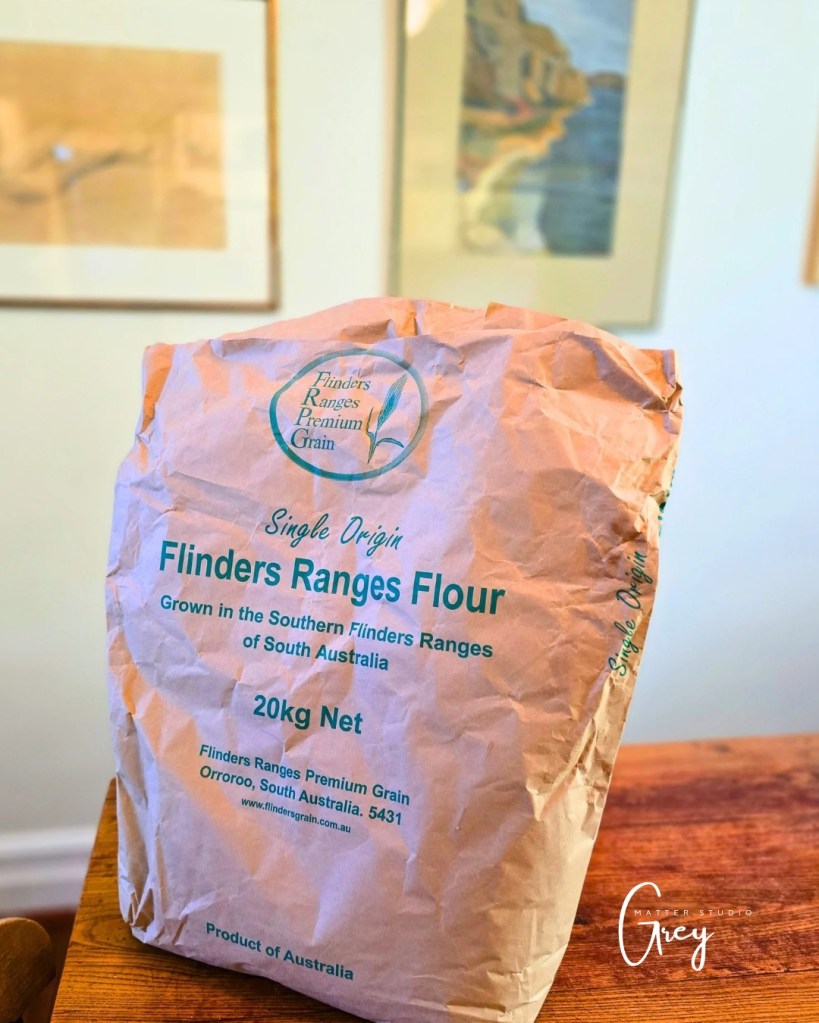
It’s quietly fascinating that Jane, a self-described hobbyist, is actively courted by expensive artisan mills. She waves that off. Instead, she buys flour from a farmer in his mid-70s from Orroroo, in the southern Flinders Ranges, who delivers it directly to her door. Jane buys rye grain directly from a farmer near Lameroo, who, when he first came to deliver about 50kgs of rye, refused payment. She experiments, yes, but loyalty matters. Buying elsewhere would feel disloyal.
This is not sentimentality. It’s an operating principle.
Jane’s loyalty to her flour supplier isn’t just personal preference; it reflects how small-scale worlds tend to sustain themselves. When small producers buy from other small, often family-run enterprises, they create tight circles of care where economic choices double as acts of stewardship. These relationships work precisely because they are limited in scale. There are few intermediaries, direct contact is the norm, and trust accumulates over time. Money circulates locally rather than disappearing into distant systems, and risk is shared informally through long-standing relationships.
Family businesses, in particular, tend to operate with longer horizons, treating their work as something to be handed on, rather than extracted from.
In that sense, buying flour from a farmer in his seventies who delivers it himself is not quaint or inefficient; it is a quiet form of economic solidarity, one that values continuity, reputation and mutual obligation over speed or scale. This is how small things stay viable — by supporting each other, one relationship at a time.
“I’ve always been into feeding people. Even as a child I was always making cakes and toffees.”
A thread runs through everything Jane does: connection. To people. To place. To time. Bread is never really for one person. It is made to be shared, sold, given, talked about. Starters are fed. Loaves rest. Fermentation works on its own schedule.
Jane’s sensibility may owe much to the French provincial tradition she absorbed over years of travel, where bread is treated less as a product and more as a daily craft shaped by place, time and relationship. In small towns and villages, the local boulangerie still moves to human rhythms rather than industrial ones: dough mixed by hand, long fermentations that respect grain and body alike, and loaves baked several times a day so bread is always fresh and tied to shared meals.
This is slow food in its most ordinary form, not performative or nostalgic, but practical — one good bread, made with care, for everyone.
The act of breaking bread in these traditions carries weight beyond nourishment. It signals equality, hospitality and shared life, a reminder that sustenance is received together rather than claimed alone. Jane’s daily baking echoes that lineage. Her bread is meant to be eaten at tables, passed between hands, and woven into the ordinary rituals of living. In that sense, a loaf quietly resists speed and isolation, and draws people back into shared time, place and story.

Jane doesn’t really talk about her legacy. She doesn’t need to. It’s in the flour on the bench and the simple, radical act of choosing to make something slowly in a world that prefers speed.
The more interesting question posed to us now is, what this actually asks of the rest of us?
Should we bake bread to follow Jane’s path? No. We may adapt the philosophy behind it though. What would it look like for us to commit to something with care, over time, in our own lives? Everyone’s version will be different, shaped by circumstance, capacity and temperament.
There is great value in us noticing those who live with intention and consistency, and allowing them to lead the way — not as templates to copy, but as proof that another pace, and another kind of contribution, is possible.


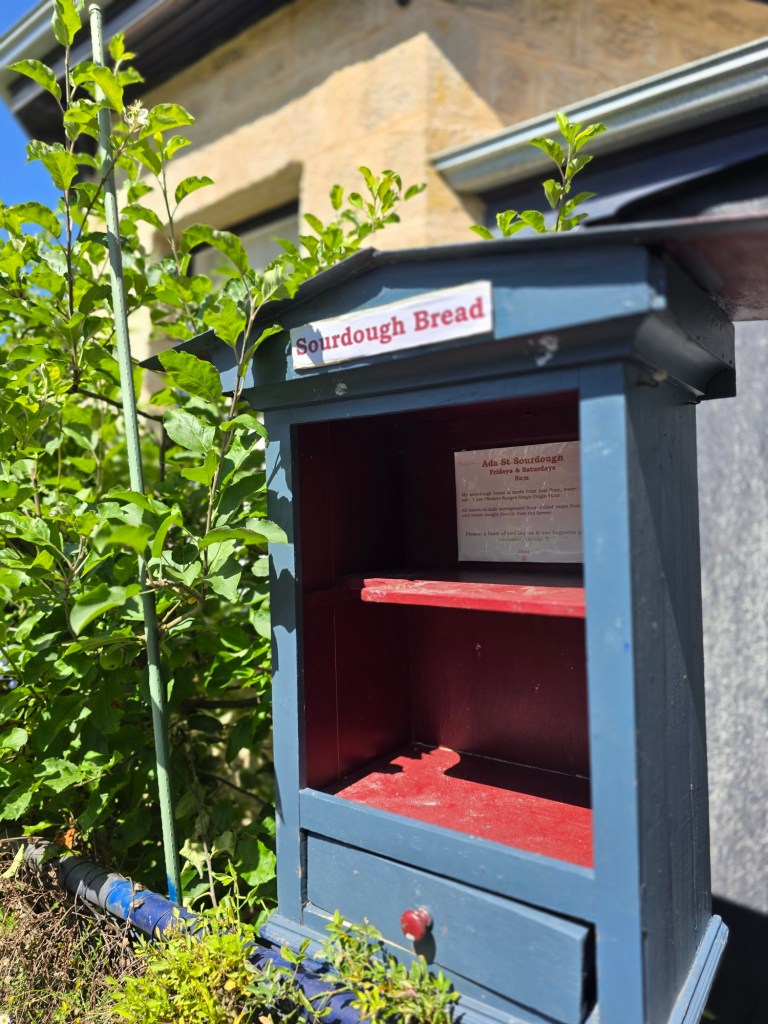
Jane’s Instagram is @adastsourdough
Jane Copeland
Home baker
Discover more from GreyMatter.StudioLife
Subscribe to get the latest posts sent to your email.
