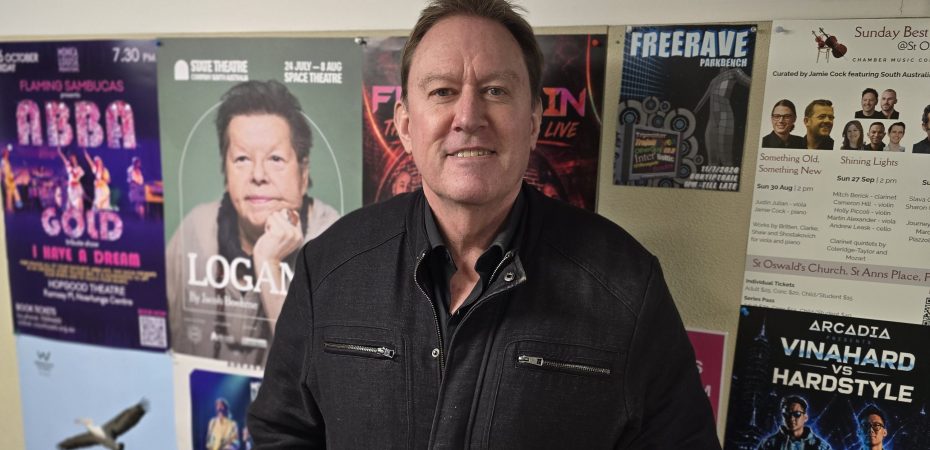
It’s often said that the best stories bring us together. But what happens when someone can’t fully experience the story in the first place?
In Australia, inclusive live theatre has been evolving. Auslan-interpreted performances, once rare and largely dependent on Deaf audience members arranging their own interpreters, are now appearing more regularly in mainstream productions. It’s a welcome shift from seeing accessibility as an individual responsibility to recognising it as something that should be thoughtfully built into the experience from the very beginning.
For many Deaf Australians, Auslan isn’t simply a helpful extra, it’s the key to fully participating in a shared cultural moment. More than 16,000 Australians use Auslan, and the growing number of interpreted performances demonstrates that inclusion isn’t just possible; it’s valued. Yet many productions still offer only one or two interpreted performances each season, reminding us that while progress has been made, the journey isn’t over.
At GreyMatter, we often talk about ageism, but exclusion doesn’t discriminate. It can affect anyone, at any stage of life.
Whether it’s living with hearing loss, reduced mobility, vision impairment, cognitive change, disability, caring responsibilities, language barriers, or simply feeling that a space wasn’t designed with you in mind, the experience of being left out is remarkably universal.
Perhaps that’s why this conversation matters so much to those of us over 50.
Many of us have begun noticing subtle barriers that once went unseen. We may find ourselves asking for subtitles, choosing venues with better accessibility, or supporting friends and family members whose needs have changed. These aren’t signs of limitation, far from it… they are reminders that inclusion benefits all of us, often sooner than we expect.
The beauty of accessible theatre is that it doesn’t diminish anyone else’s experience. It simply widens the circle.
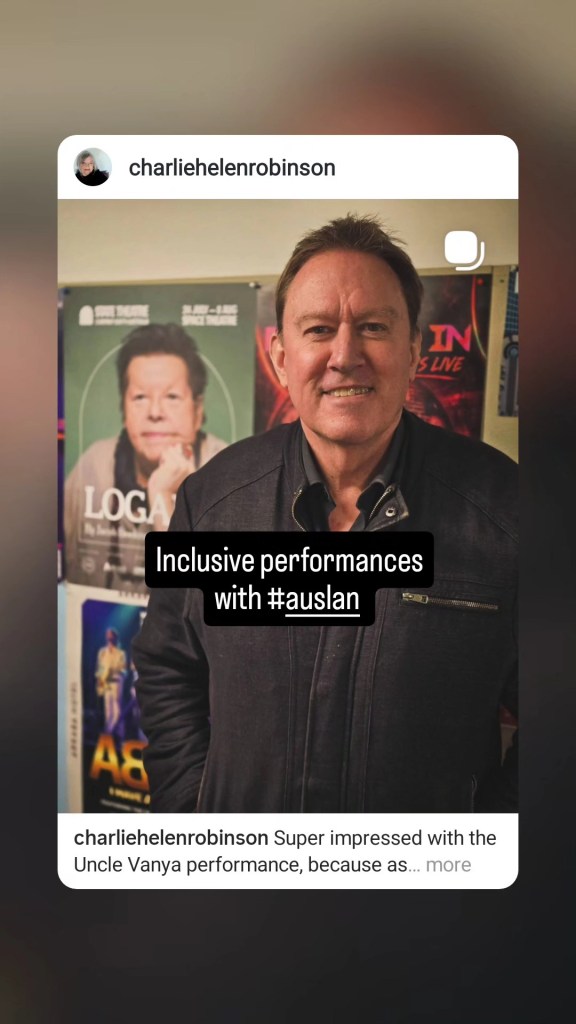
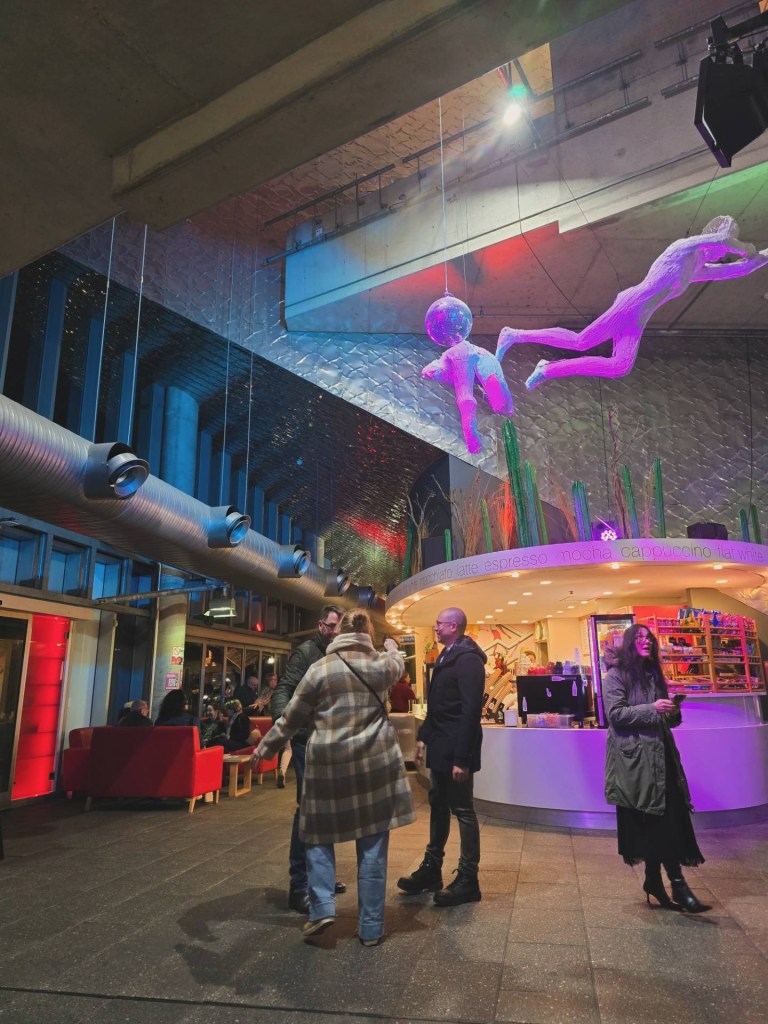
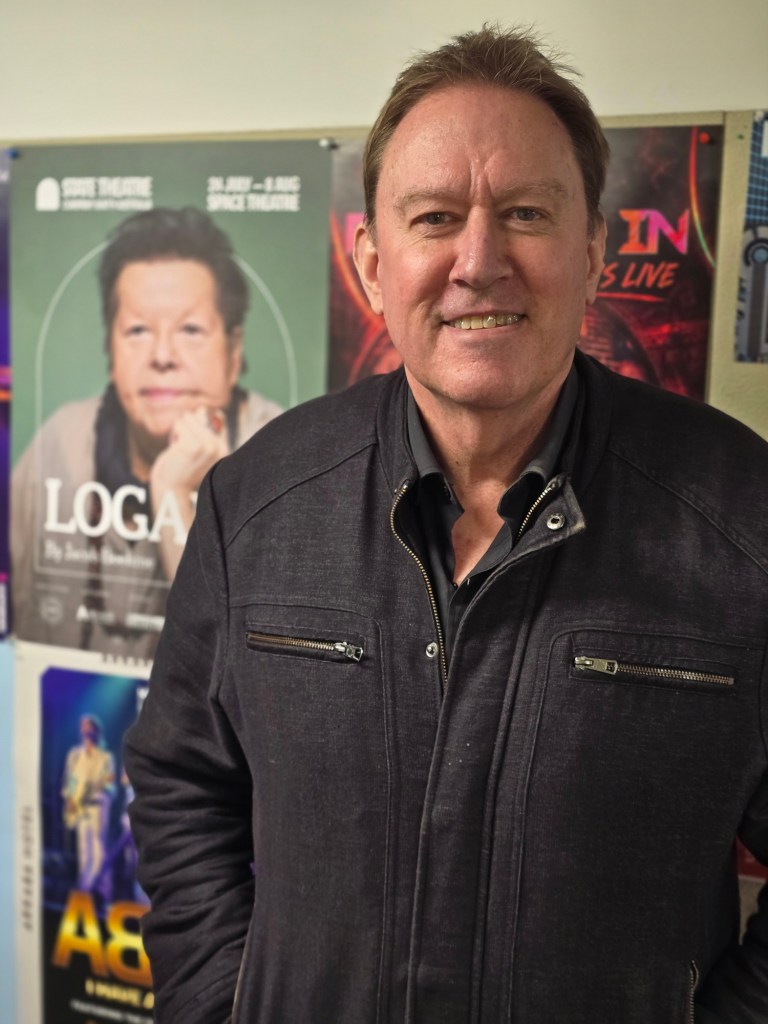
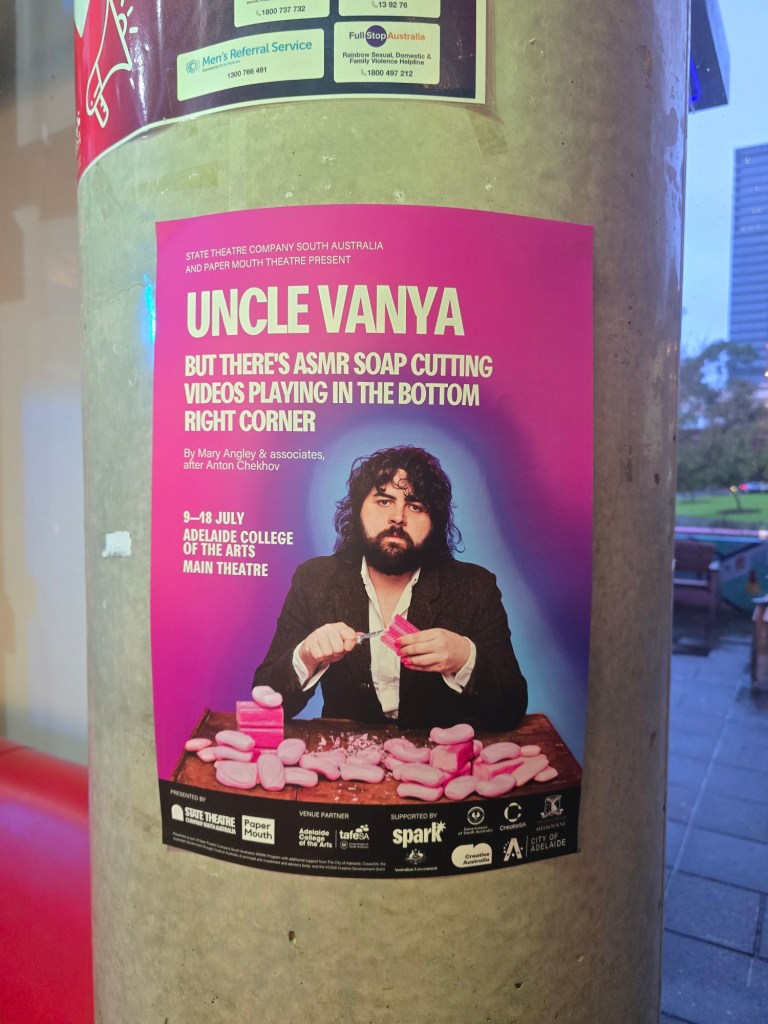
🌻 We experienced Uncle Vanya at the Arts Theatre 🎭
An Auslan interpreter standing alongside a stage tells every audience member that everyone deserves to laugh, cry, applaud and be moved together. It’s a visible symbol of belonging.
Imagine if we approached everyday life with that same mindset. Instead of asking whether accessibility is necessary, we might ask who isn’t in the room, whose voice isn’t being heard, or what small change could help someone feel welcome. Sometimes breaking down barriers isn’t about grand gestures. It’s about awareness, empathy and extending an invitation.
Growing older offers many gifts, and one of them is perspective.
We understand better than most that life can change in an instant. Today’s advocate may be tomorrow’s recipient of kindness. That’s why creating inclusive communities isn’t simply about supporting “other people”—it’s about shaping the kind of world we all hope to grow older in.
Because at the end of the day, inclusion isn’t about ramps, interpreters or reserved seating. They’re important, but they’re tools. Inclusion is an attitude. It’s the quiet belief that everyone deserves a place in the audience, a seat at the table, and the chance to be part of the story.
After all, the measure of an inclusive society isn’t how it treats the majority, it’s how warmly it welcomes everyone into the story.
Discover more from GreyMatter.StudioLife
Subscribe to get the latest posts sent to your email.
