
The language we use, the style in which we portray ourselves, and the way we speak to people over 50, as customers, consumers, and community members has been shifting. It’s evolving. We’re proud to be part of the wave of proactive leaders reshaping the media landscape, one post, comment, and story at a time.
It’s a noisy landscape now and we celebrate that. While ageing populations are often framed as a burden, new perspectives highlight something far more powerful: older generations as change agents, rich in wisdom, creativity, and leadership.
No longer the so-called “silent generation” (whoever thought that up), today’s over-50s have views, opinions, desires, and ambitions—just like every other generation. Contribution should never be the privilege of a select few; it’s the right of all.
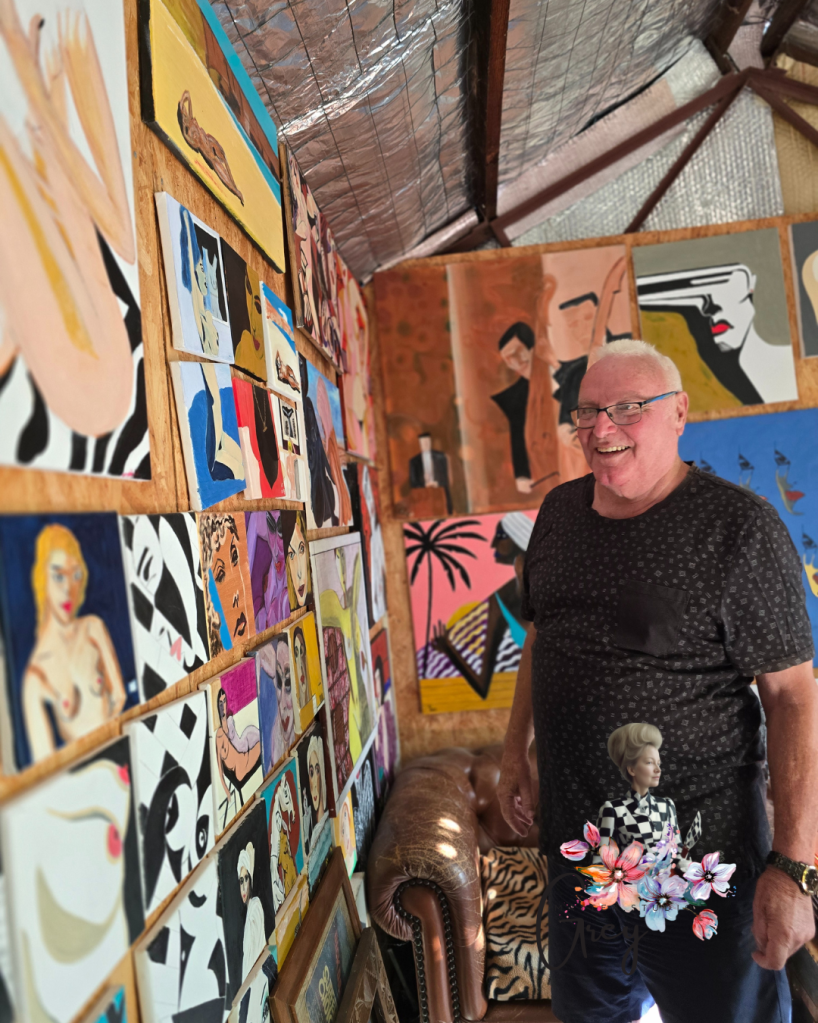
As David Harry Stewart famously says, “Being cool is ageless.”
Stewart reminds Fortune 500 companies, now desperate to understand this audience, that people over 50 don’t feel less alive, less curious, or less passionate simply because they’ve lived longer. They still laugh, love, play, ponder, hope, and even covet as they always did.


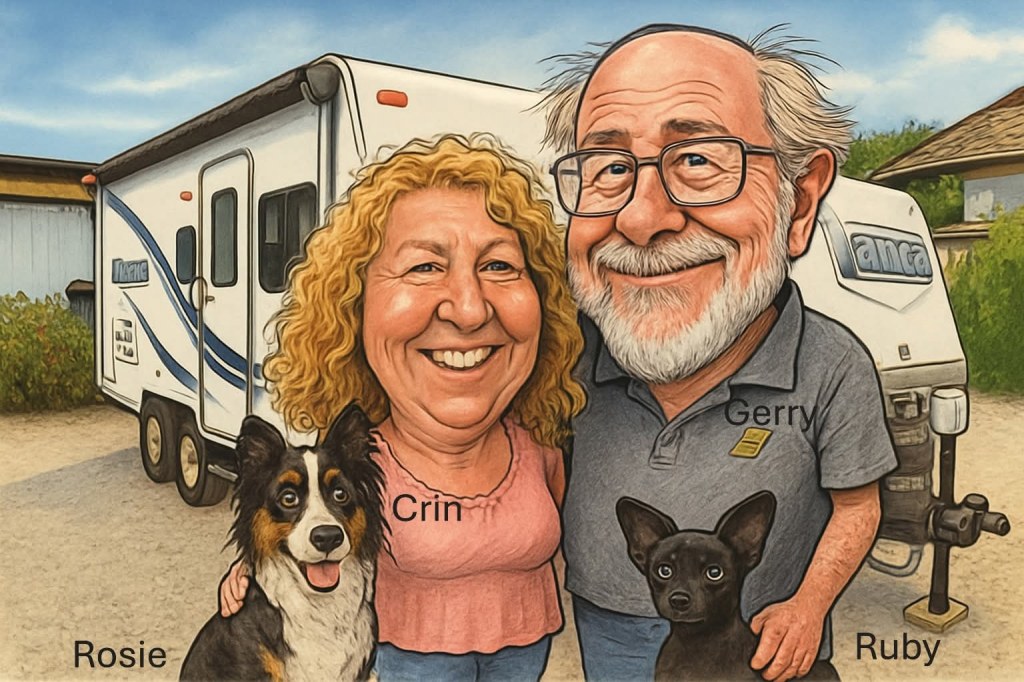

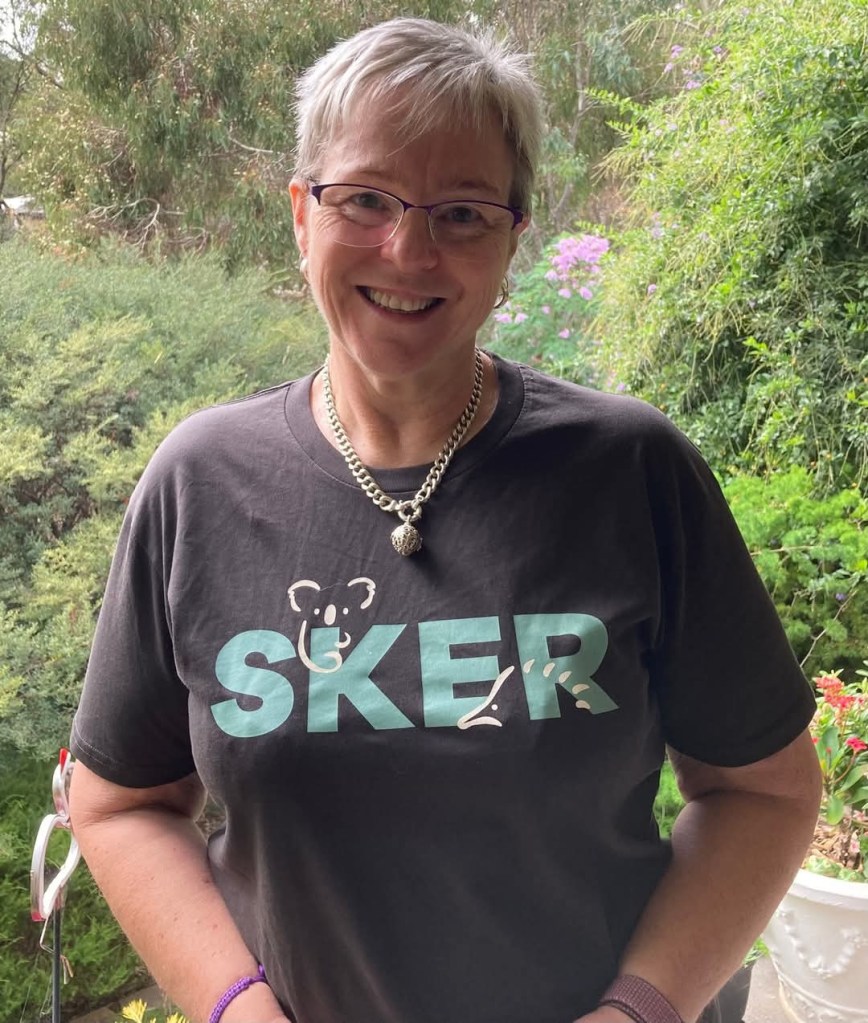
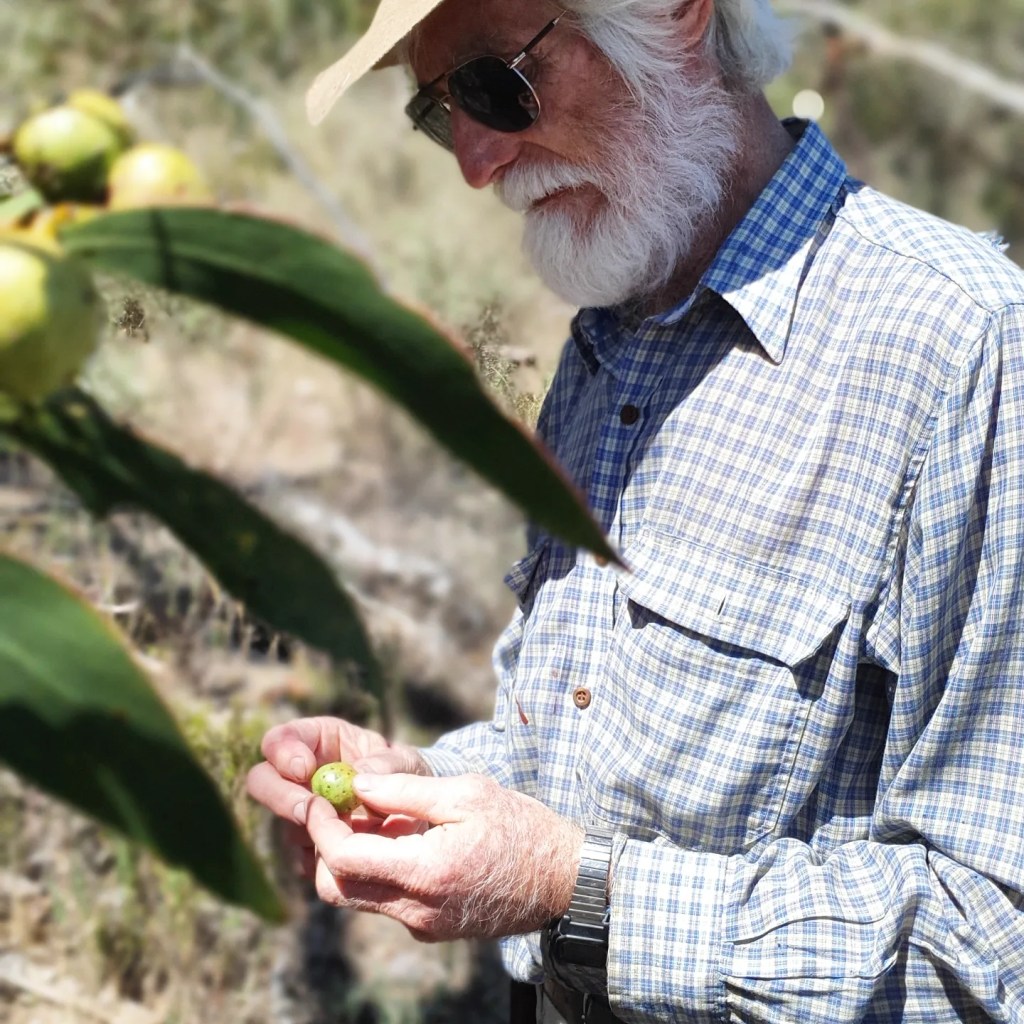


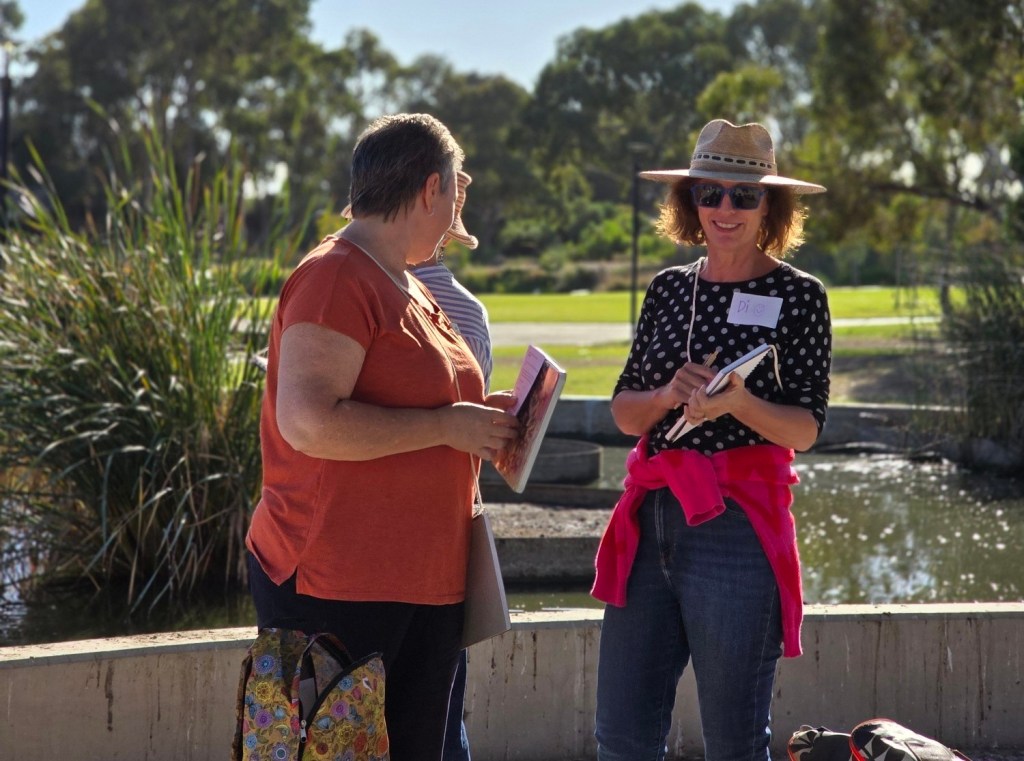


The world today faces enormous challenges around age-old essentials; food, water, health, shelter, security, mobility, and yes, population. With people living longer than ever before, these issues are more urgent and complex.
You don’t need a PhD in sociology to see it; turn on the news and you’ll hear it: Trump and tariffs, Middle East conflicts, debates on immigration, and now also sovereign citizens. Against that backdrop, a university study recently concluded that only the uneducated believe in ageism. That gave us pause. If true, we’re not just fighting prejudice; we’re fighting a class divide. And yet, bright ideas keep emerging. Intergenerational co-housing, “adoption-flip” care models, seniors as consultants and mentors: all prove ageing communities can be active contributors, not passive dependents. The vision is there, but integration still lags.
Our own mantra is clear. We need an inclusive society, one that celebrates every stage of life. Because the journey from 50 to 100 is just as rich, challenging, and surprising as the journey from birth to 50. These years hold stories, achievements, and creativity that deserve to be seen and heard. Social platforms like Instagram and LinkedIn are proving powerful in reducing isolation, sparking creativity, and strengthening community problem-solving. That’s why we’ve spent the year interviewing, encouraging new writers, and reshaping our coverage with South Australians over 50. Starting an integrated news service for this community means we don’t always get it right. But we’ve been learning fast.

Movements like Active Ageing, Creative Ageing, Reframing Age, #ilookmyage, and positive representations of later life are all helping dismantle the tired perception of older people as unproductive. The truth is, later life can contribute mightily to the wellbeing, economic and cultural, of society.
That responsibility doesn’t just rest with governments or policymakers. The media, traditional and social alike, play a decisive role in shaping how we see ageing. Every headline, photo, and campaign can either reinforce tired stereotypes or celebrate the richness of later life.
We call on storytellers, editors, brands, and broadcasters to join us in shifting the narrative: to show older people not as a demographic to be managed, but as citizens, creators, and leaders with a stake in shaping the future.
This chapter of life deserves celebration. It’s about owning who you are, what you love, and the wisdom you carry.
Again on Ageism Awareness Day, 7 October, we’ll join the call to reshape how ageing is represented in workplaces, communities, and the media.
The story isn’t finished. It’s still being written, by all of us.
Extracts adapted from: “Promoting Positive Ageing Lifestyles and Wellbeing Through the Use of Social Media to Facilitate and Enhance Creative Decision-Making” (iJAC, 2023) and “Creating Positive Perceptions of Aged Communities by Combining Creative Practice and Social Media” (iJAC). By Ron Corso and Charlie-Helen Robinson.

Discover more from GreyMatter.StudioLife
Subscribe to get the latest posts sent to your email.
