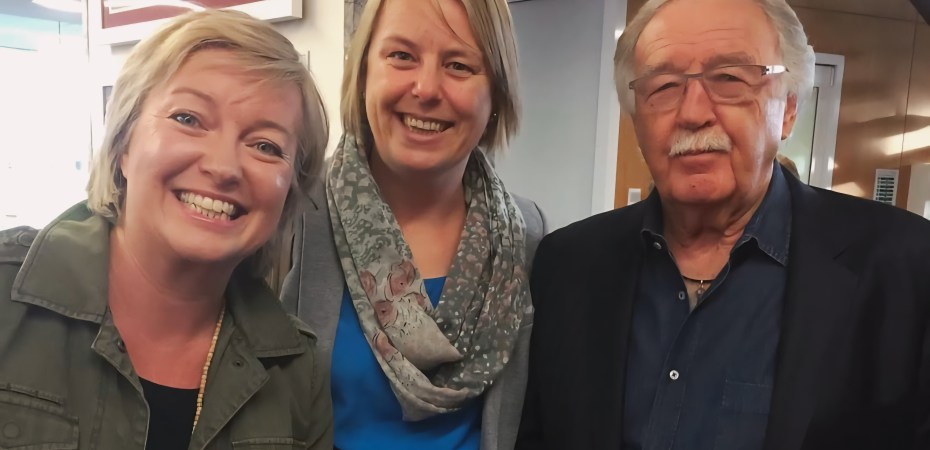
We don’t talk much about it, but somewhere between blowing out the candles on our 49th and 50th birthdays, something begins to shift. It’s subtle at first, a friend’s health scare, a colleague gone too soon, a doctor’s gentle reminder to “keep an eye on that.”
Then the statistics back it up: from our 50s onward, mortality rates begin to climb in a way they simply don’t in earlier decades.
The Midlife Shift
For most of adulthood, death feels like background noise, something that happens elsewhere, to someone else. But by the time we reach our 50s, the odds start to change. Chronic illnesses, heart disease, cancer, diabetes, stroke, move from abstract medical terms to lived realities. These are the years when the quiet accumulations of life, stress, diet, genetics, bad luck, begin to make themselves known.
It’s also when sudden events like heart attacks or strokes start appearing in the stories we tell each other.
People often say that in your 50s, you begin to notice your peers disappearing. It’s confronting, yes, but also clarifying. It reminds us that the body keeps score, and that our choices however small still matter deeply.
Reading the Signs
Up to our 40s, most deaths are accidents or rare illnesses. But in our 50s, biology and biography start to merge. The long-term effects of how we’ve lived—what we’ve eaten, how we’ve managed stress, how much we’ve moved become visible in medical charts and everyday energy levels.
The good news? If you reach the end of your 50s in solid health, your chances of living well into older age are strong.
The 50s aren’t a finish line, they’re a crossroads, a chance to reset the habits that will carry you through the next decades.
How Risk Rises with Age
Mortality doesn’t increase in a straight line; it grows exponentially. After age 30, the risk of dying roughly doubles every six to seven years. That means the difference between 50 and 60 is far greater than the difference between 30 and 40, not just in numbers, but in how fragile or resilient we feel.
30s: Life is statistically safe. Death is rare and random.
40s: The first hints of wear and tear appear, but the odds are still firmly on your side.
50s: The curve bends upward. Lifestyle choices start to show their weight.
60s: Health becomes the daily project. Chronic disease is the main risk.
70s and 80s: The pace accelerates, but so too can wisdom, acceptance, and adaptation.
Reframing the Curve
The numbers may look intimidating, but they don’t tell the full story. Longevity research shows that how we live in our 50s, our diet, exercise, sleep, relationships, and sense of purpose, can profoundly alter the trajectory. The body is adaptable, and so is the mind.
Perhaps the real story isn’t that mortality rises after 50, but that we become more aware of time and how to use it. This awareness can be a gift. It prompts better choices, deeper friendships, and a sharper appreciation of days still to come.
It’s a privilege to age.
We can’t flatten the curve of time, but we can learn to ride it with more intention and maybe even more joy while we’re here.
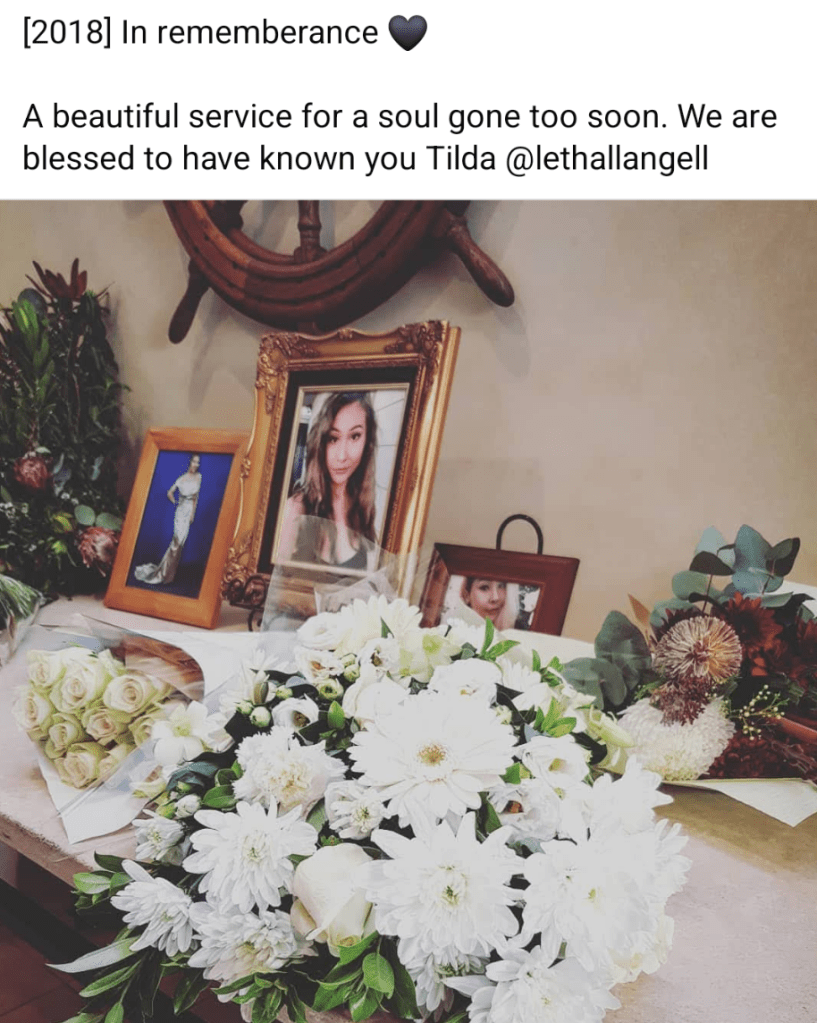
Celebrating lives











Discover more from GreyMatter.StudioLife
Subscribe to get the latest posts sent to your email.
