The humble Stobie pole was never really designed to inspire. However it has done just that for many a year simply because of the innovative idea, and the fact that it’s a celebrated icon now being used to uplift the landscape.
It was invented in 1924 by Adelaide engineer James Cyril Stobie, after South Australia’s power network ran into a practical problem: there wasn’t enough suitable timber for long-lasting utility poles, and imported wooden poles were often ruined by termites and harsh soil conditions!
James’s solution was a pole made from two steel beams with concrete between them, which was strong, fire-resistant, and much more durable than wood.
The design was patented in 1925 and quickly adopted by the Adelaide Electric Supply Company, first appearing in Adelaide and then spreading across South Australia as the electricity network expanded.
Over time, the Stobie pole became a distinctly South Australian sight because it was used so widely and kept being manufactured locally. Today it’s more than infrastructure — it’s part of the state’s visual identity, and its 100th birthday was marked in 2024.
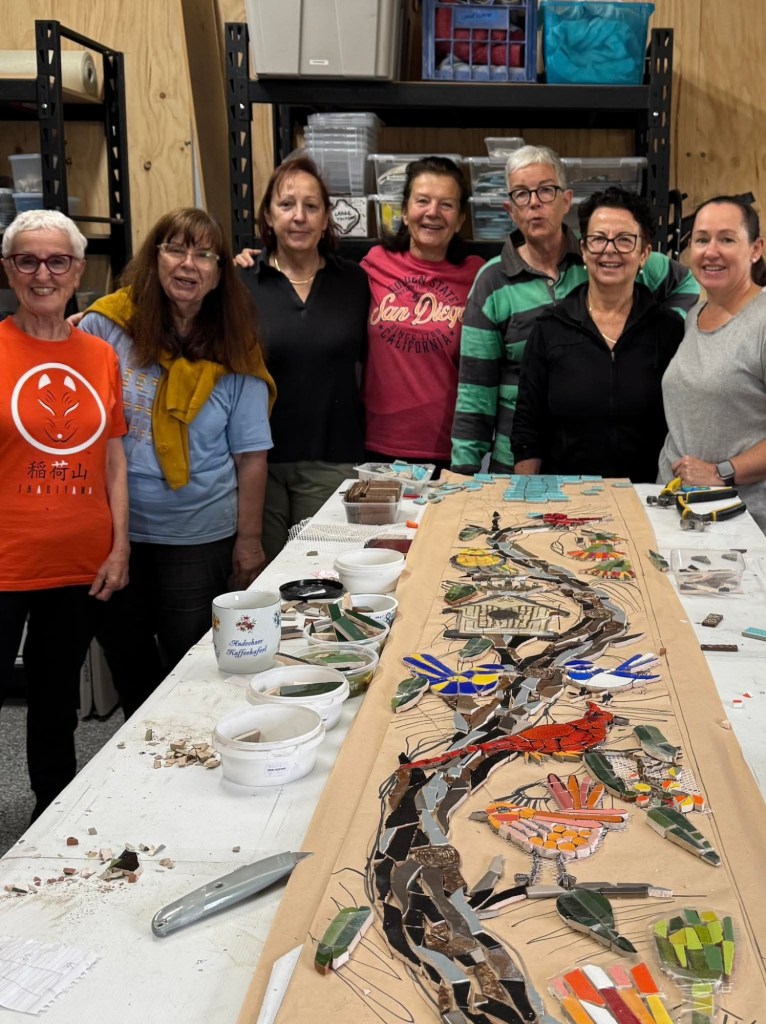
To compliment such a distinctly South Australian initiative, programs such as the mosaic workshops run through City of West Torrens with Di Caught and Mignon Clift and the Hindmarsh Greening group are “beautifying” streetscapes. In fact, Hindmarsh Greening celebrate a wider range of structures and have been beautifying for a lot longer!
I went along to the Mosaic class held by the City of West Torrens. My mosaic will be installed on Henley Beach Road, Lockleys. (Charlie)
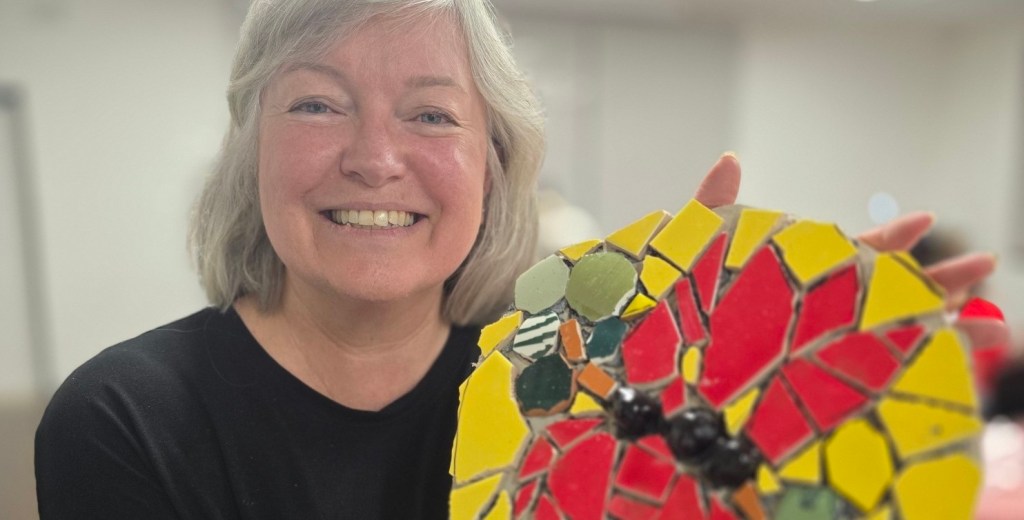
In the City of West Torrens, once installed on pre-approved SAPN poles, the mosaics become part of the neighbourhood’s visual language.
A flash of colour on the morning walk here and a reminder that someone nearby decided to make something beautiful there, these art pieces now live in the public domain to enjoy. Together, they create a kind of distributed gallery, one that reflects the diversity of the people who live there.
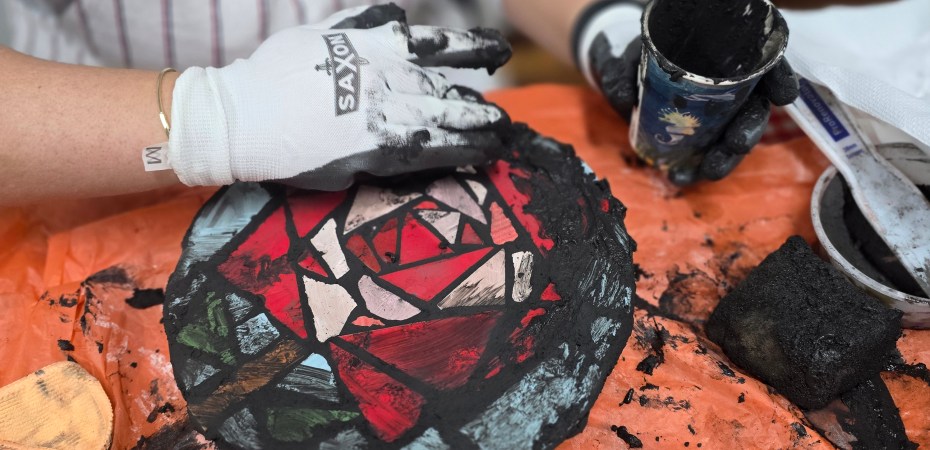
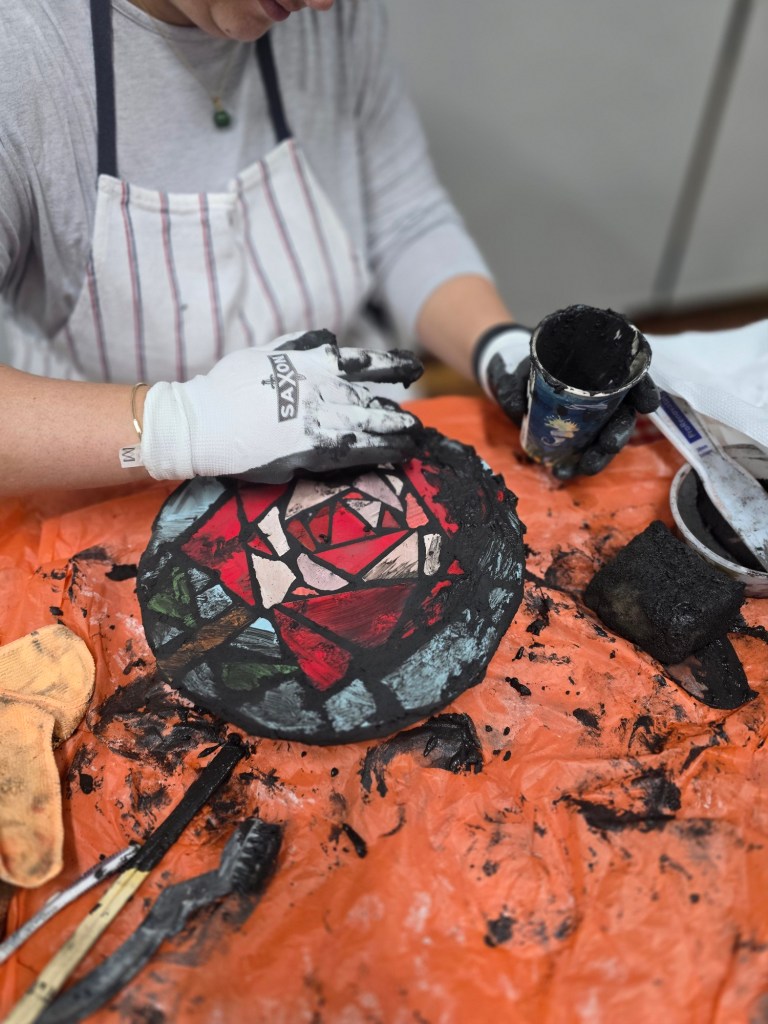
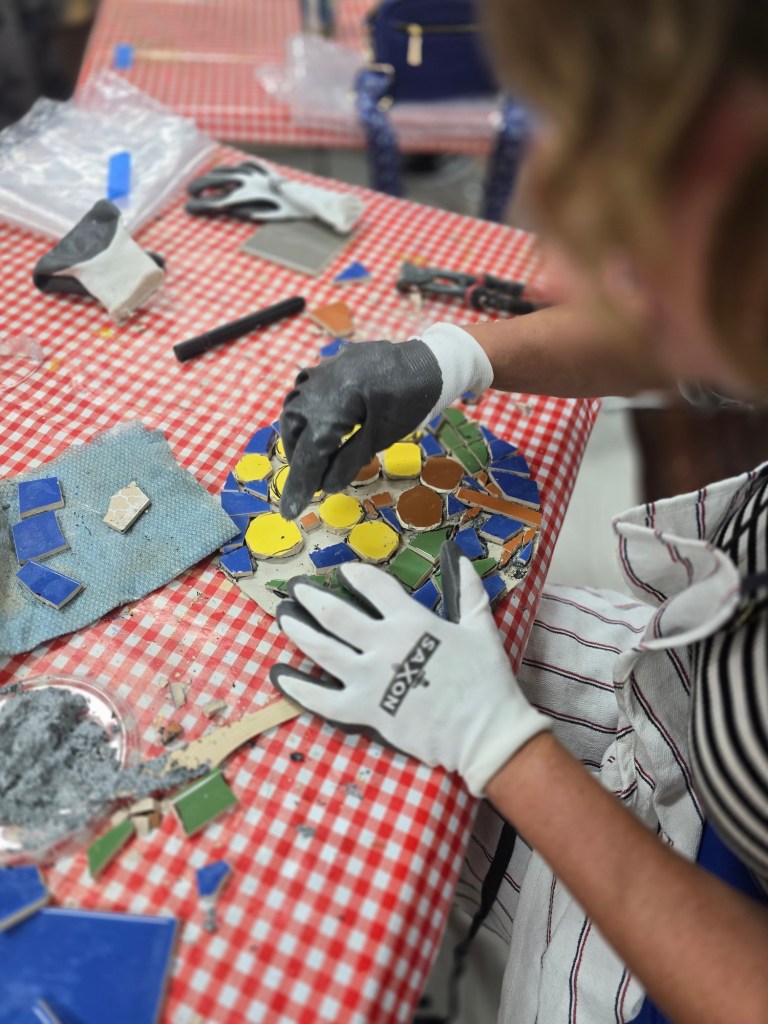
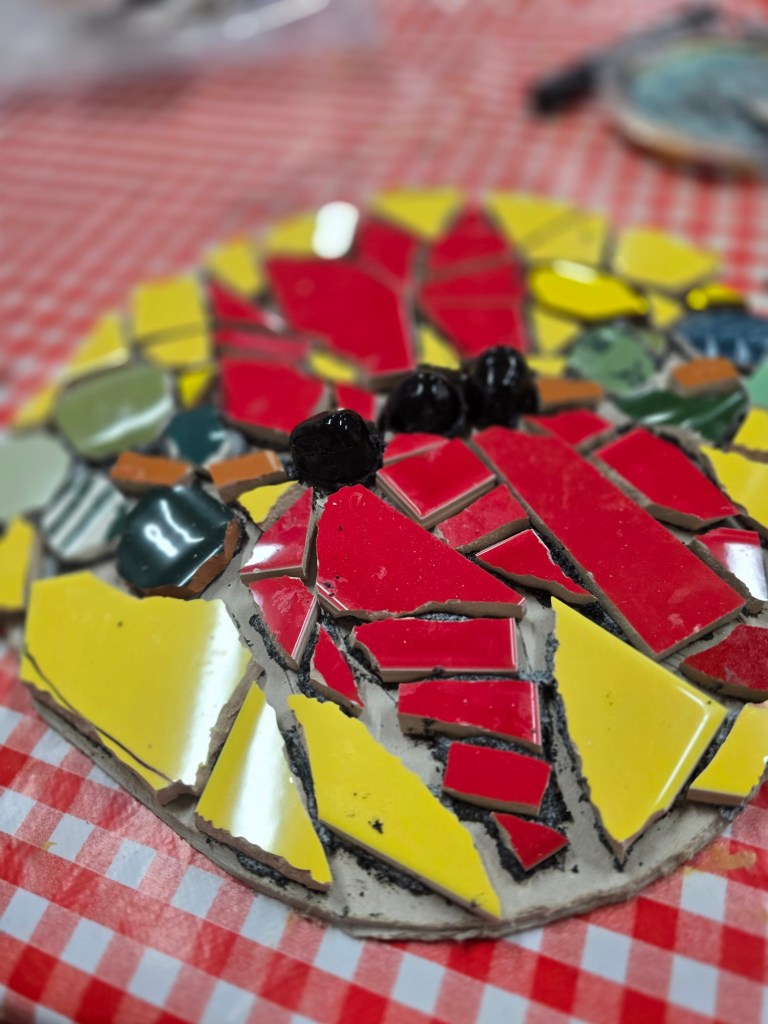
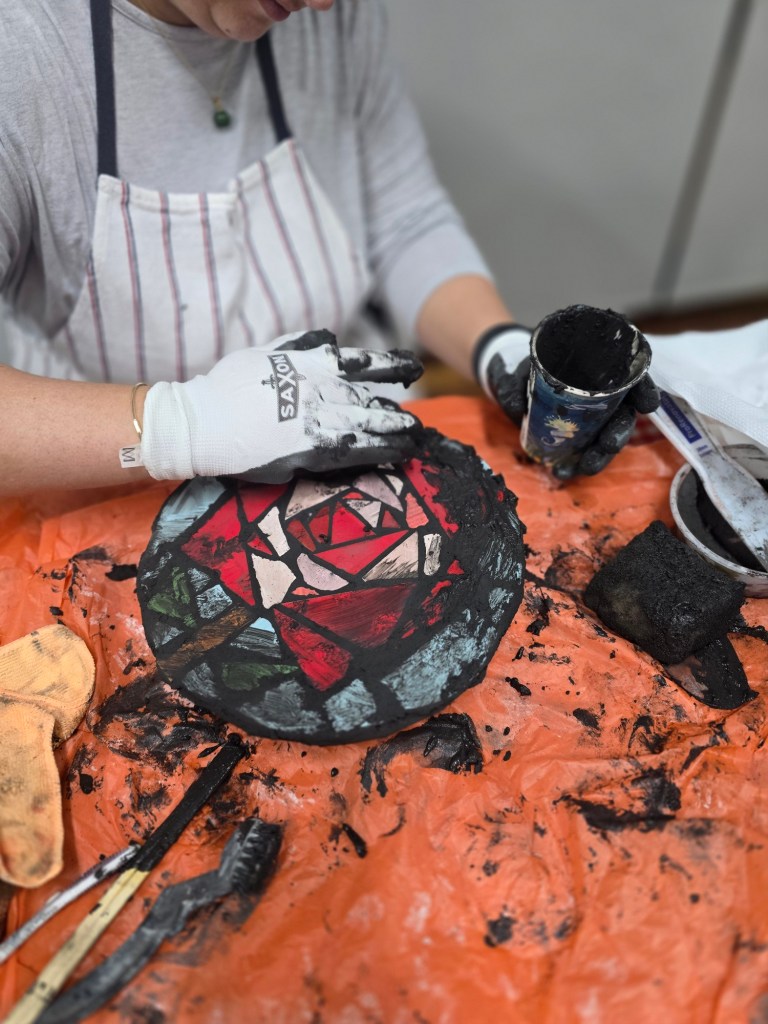
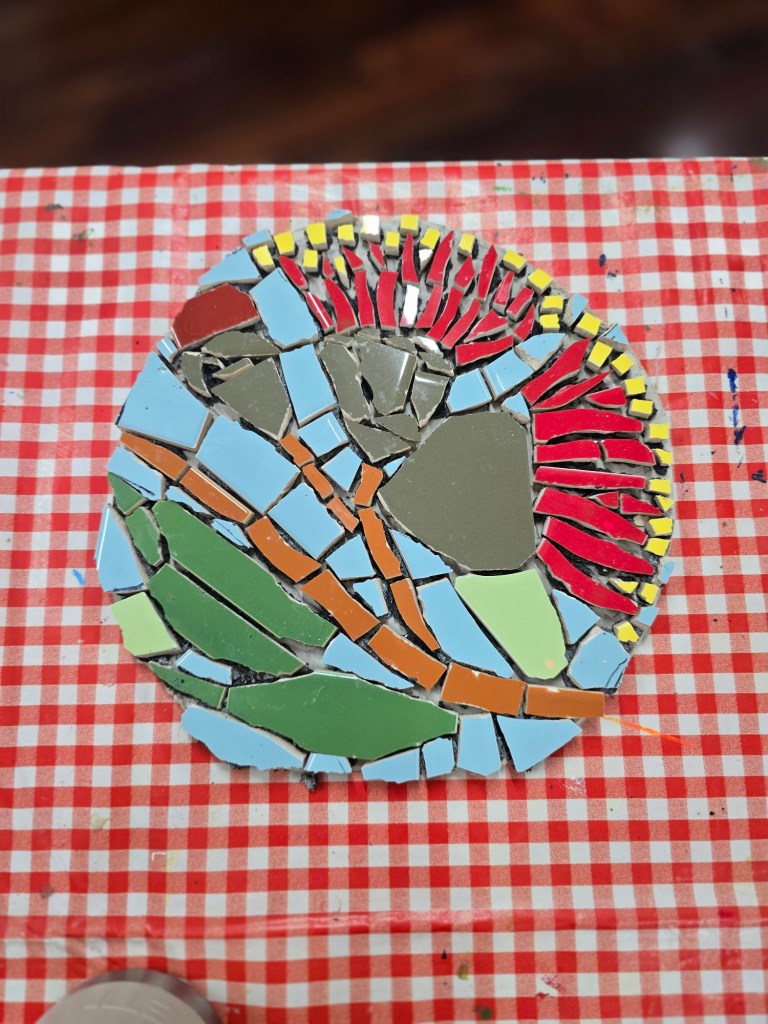
Images; the following images are mainly designs at ‘stage two’ of the process ie the gluing. Next up is the grouting (demonstrated by the rose mosaic), then installation.
Discover more from GreyMatter.StudioLife
Subscribe to get the latest posts sent to your email.
