National Volunteer Week is an annual celebration that recognises and thanks volunteers for their invaluable contributions to communities.
This years theme recognises the extraordinary impact volunteers make every day, while also highlighting 2026 as a special year to honour volunteering nationally and internationally, with the United Nations declaring 2026 the International Year of Volunteers for Sustainable Development.
Note: Other countries have their own Volunteers Week at different times:
• UK: First week of June (June 2–8, 2025)
• US: Mid-late April (April 20–26, 2025)
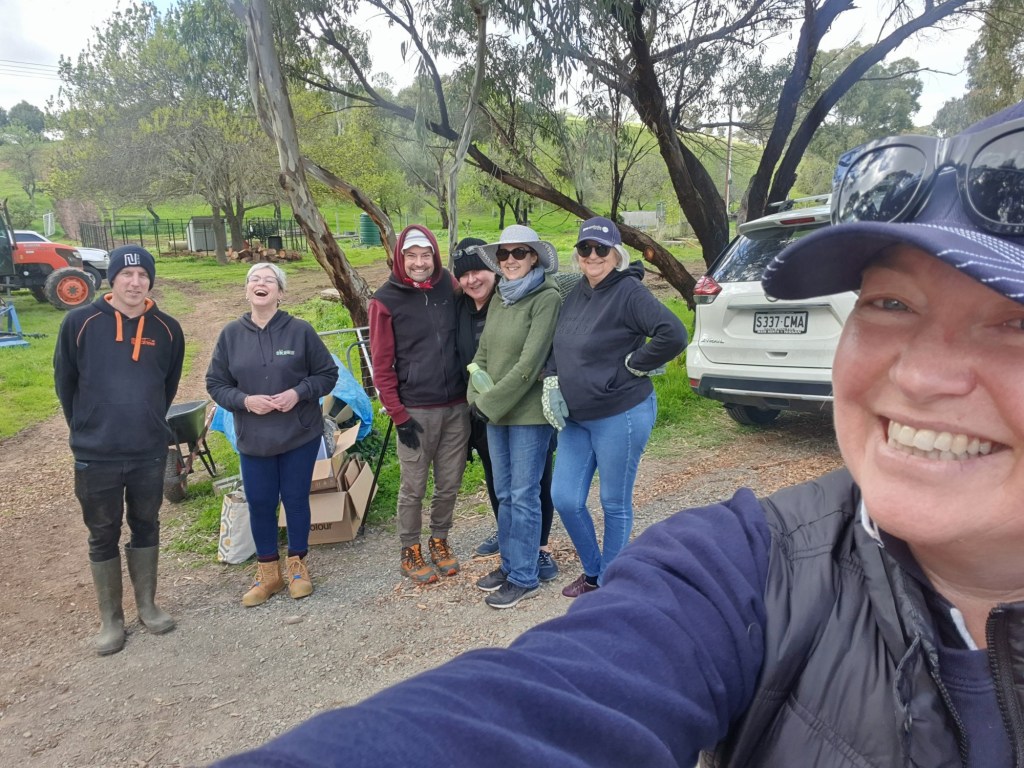
So, let’s talk about my sustained journey.
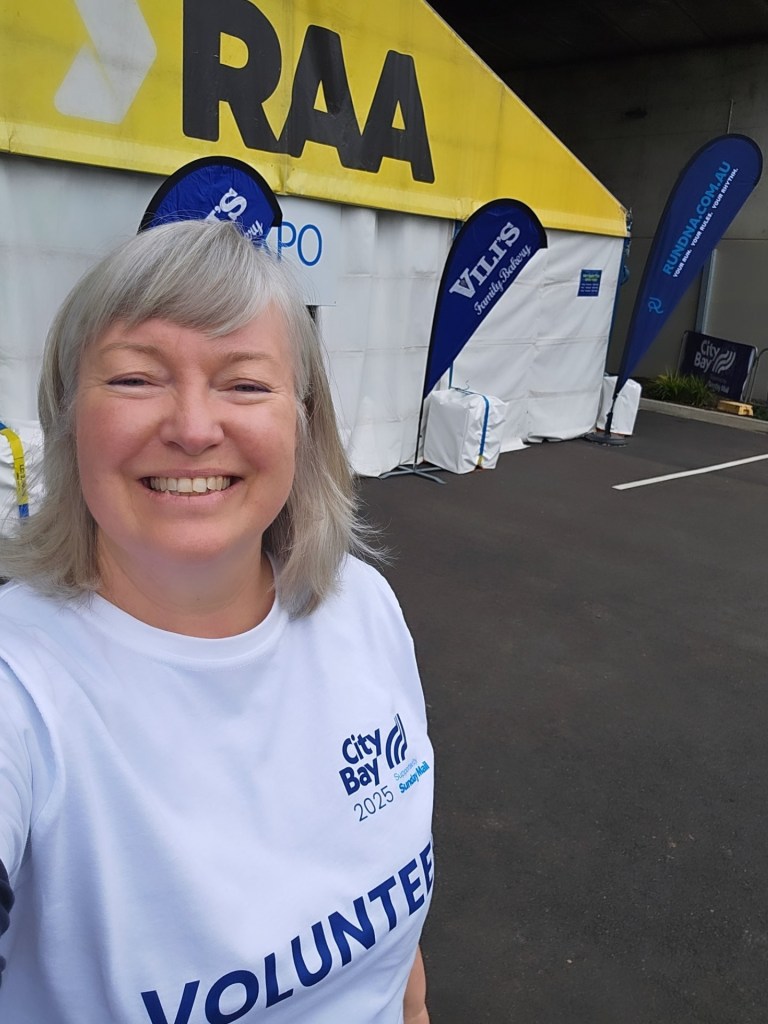
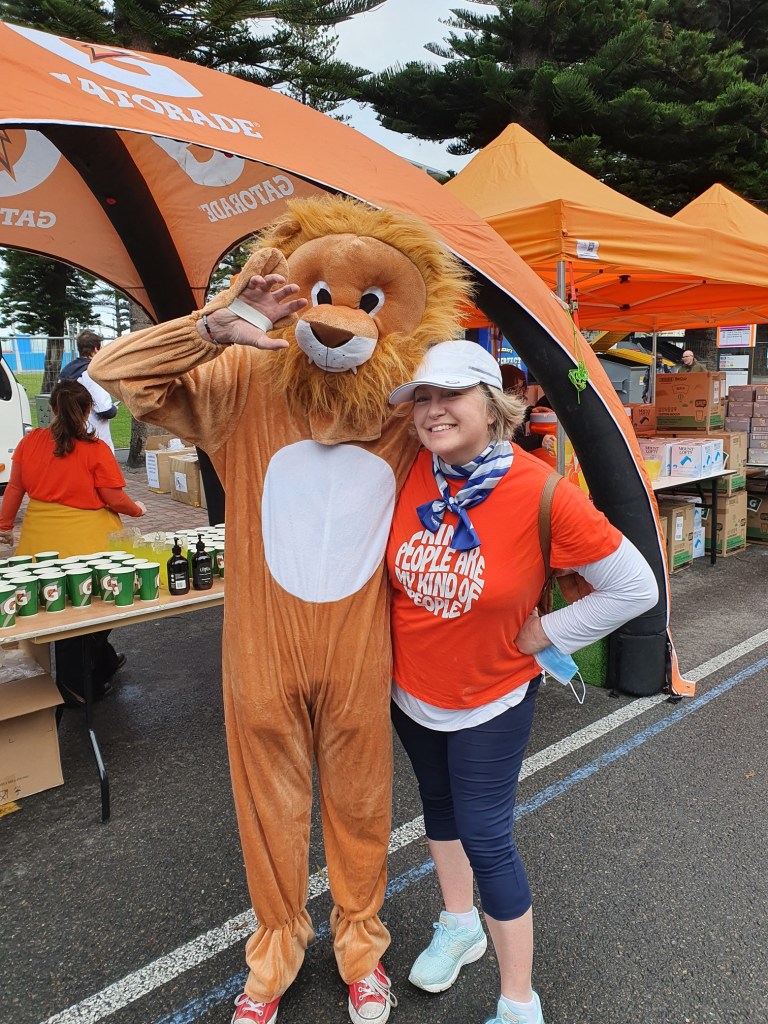
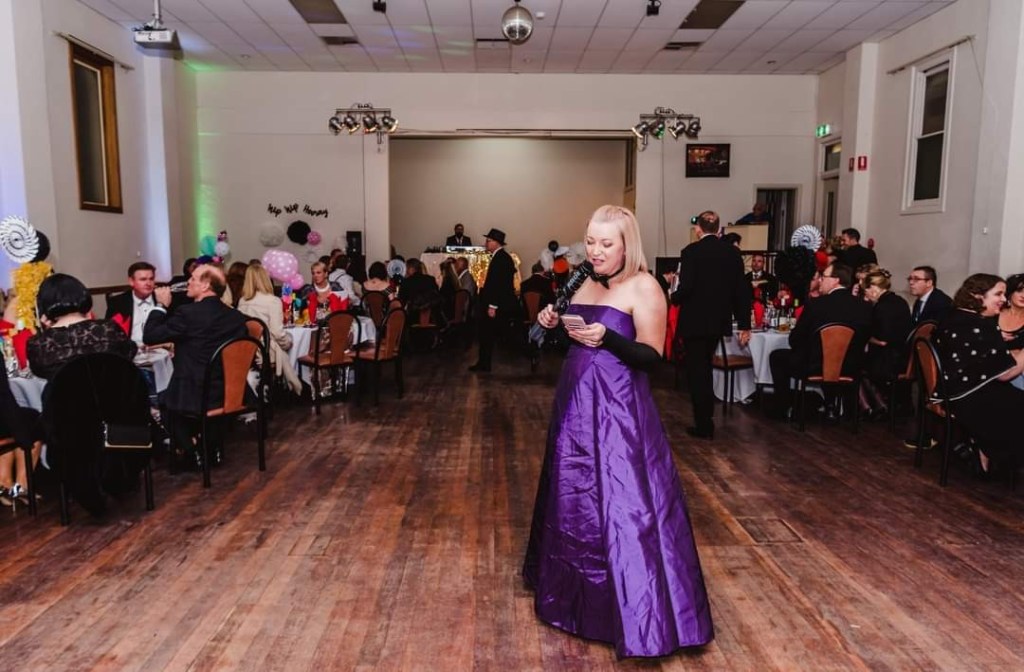
My personal volunteering efforts have spanned grassroots fundraising through vintage-themed events that blended history, storytelling, and community engagement; raising money for not-for-profits; serving on boards including the Health Consumers Alliance of South Australia and Rembrandt Living Aged Care; and previously holding public relations committee positions with Lions Australia District (SA) and the Lions Medical Research Foundation of SA.
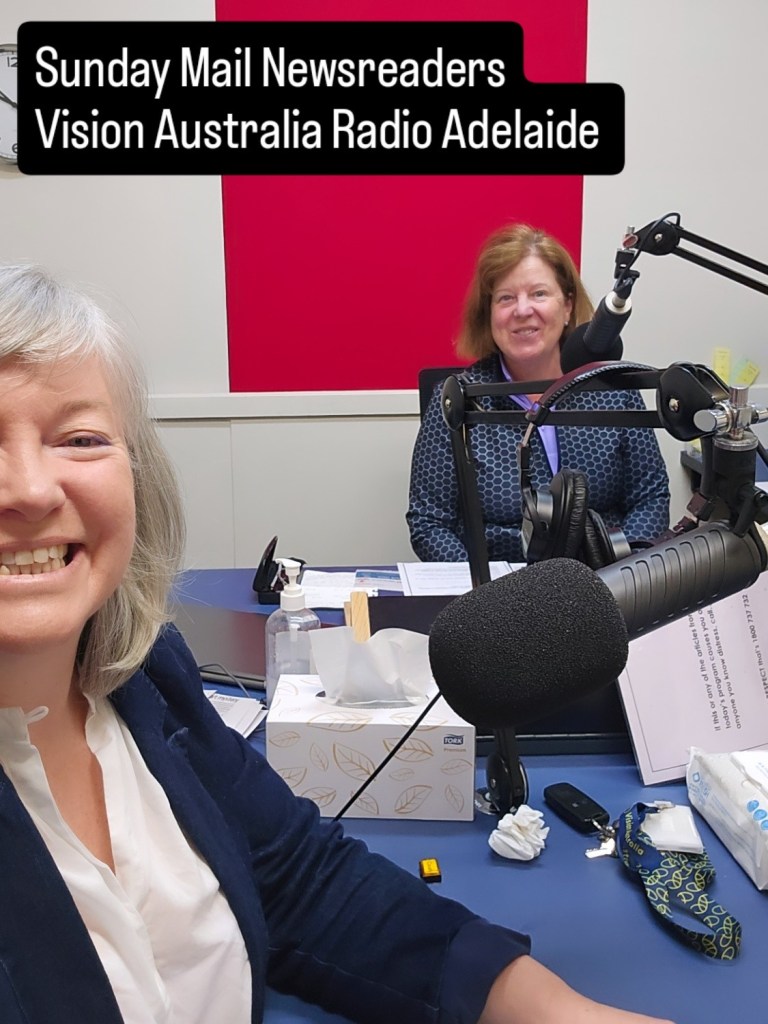
I am a current member of the Storytelling Australia SA committee and a member of The Adelaide Network (TAN).
I founded this GreyMatter.Studio, as a creative platform dedicated to amplifying the voices and lived experiences of Australians over 50, reflecting my belief in the power of storytelling to foster connection, understanding, and cultural appreciation. Through this platform, I now voluntarily support others who wish to share their own writing pieces, life, opinions, recipes and lived experiences.
What a privilege!
The flip side — when volunteering no longer aligns with your values — can leave you feeling emotionally drained and disconnected from the very purpose that drew you to help in the first place.
This may be through an organisation whose methods now conflict with your principles, a mission that’s shifted away from what you signed up for, or a culture that doesn’t respect your boundaries or beliefs.
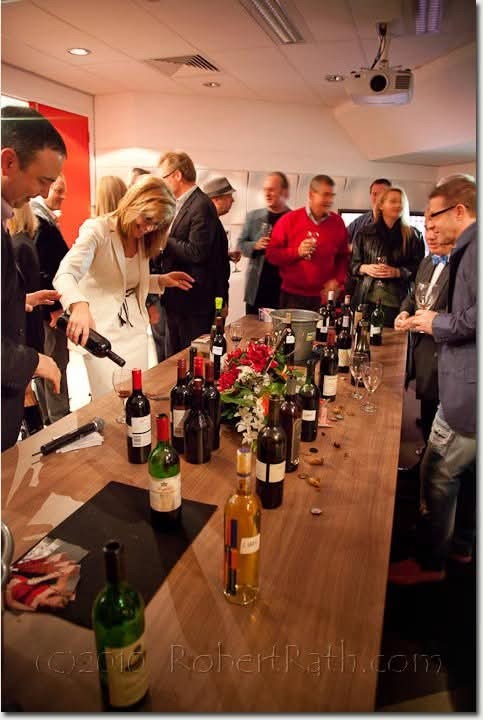
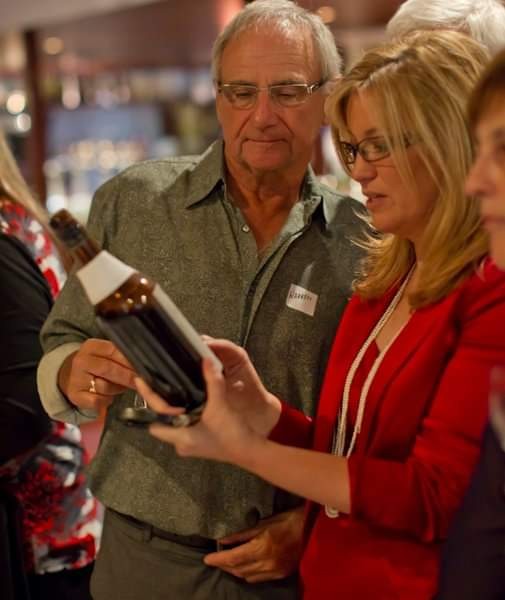
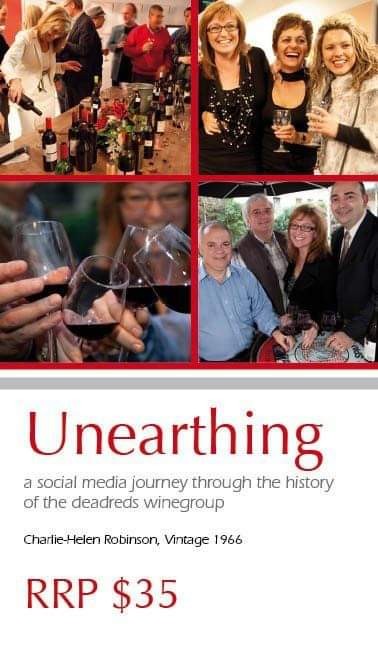
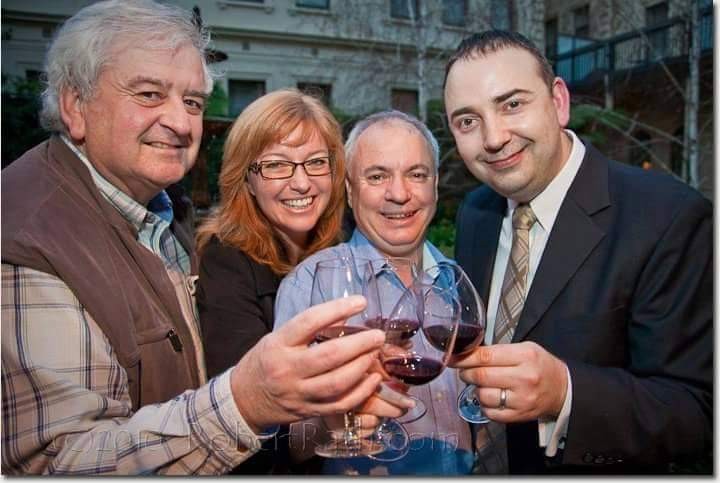
My first experience with this loss of alignment was the closure of my cherished vintage wine group after founding and essentially volunteering for 16 years, by creating unique events and raising literally thousands of dollars each time, for grassroots food and mental-health organisations. This work personally sharpened my understanding of digital engagement and community activation, shaping much of what I do today sure. But for me, it had reached a point that was personally unsustainable. What began as a genuinely community-minded, volunteer-led initiative became overshadowed by growing retail-style consumer expectations, online criticism, and pressures that no longer aligned with the original spirit of the events. My small volunteer committee contributed hundreds of unpaid hours to bring these events to Adelaide — not to profit or for recognition, to create something positive, inclusive, and meaningful for people and community.
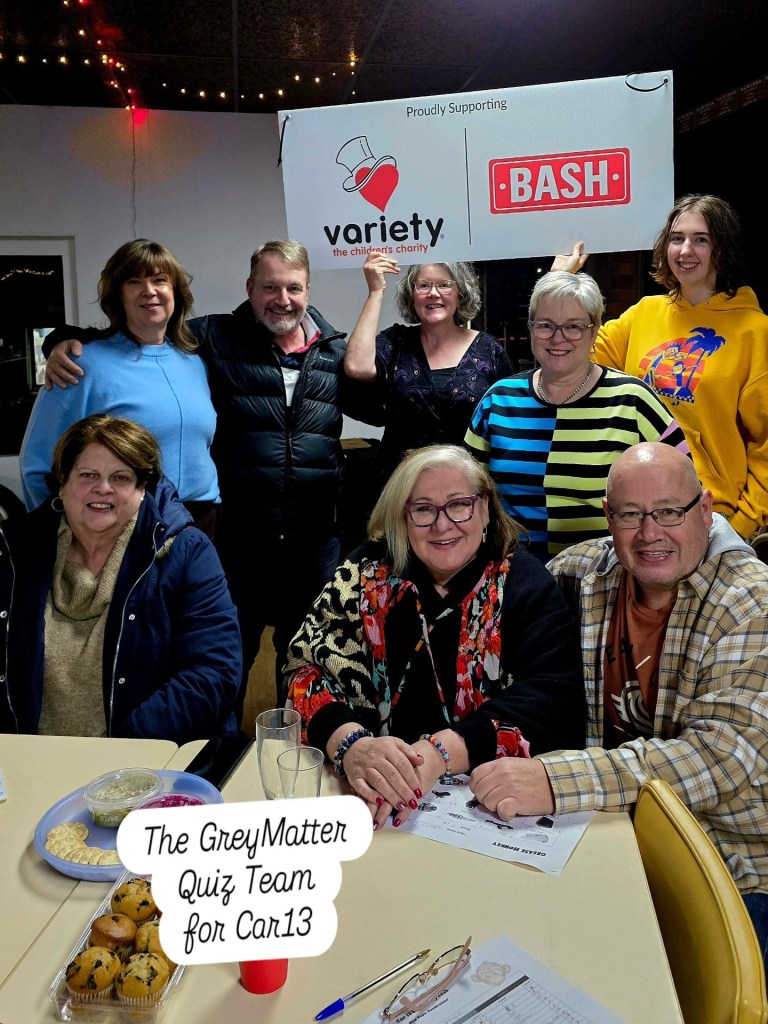
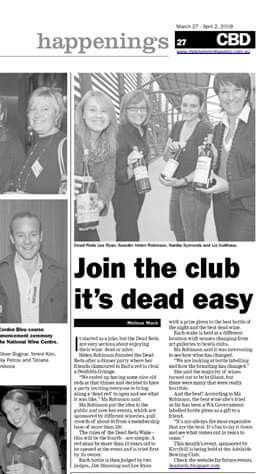
During the years, the social group was known to participate in many charity events and fundraisers; from the Cancer Council’s Relay for Life, to Variety shows and general community fundraisers, to raising money for the Heart Foundation, when I became a Healthy Heart Champion in 2011.
This socially responsible group have every reason to celebrate their 10 years in the making… and it’s all in the aide of mental health this time.
At the time I said, “It [is] important to our social group members to always consider and support others if we have the opportunity.” “While we have a great time and enjoy ourselves, we recognise not everyone does, or can. This is a simple way we can support those people in our community.“
It was our mantra, ie who can we support?
We closed but we still speak fondly of the work we did and I strongly believe this is behind most acts of volunteering… “who can I support?” because a person invests their time, energy and commitment. Sometimes the support is simply to support a friend, and that’s OK.
What happens when volunteering goes wrong?
What we don’t often talk about, is how difficult it can be to move on when volunteering no longer fits the life or values we imagined. We’ve made friends, learnt new skills and embraced a lifestyle.
Changing this up is also a big commitment.
Extracting yourself requires honesty and kindness: so, a few tips learnt include to first, clearly identify what specifically feels misaligned (the cause, the approach, the people, or your role); then, have a direct but gracious conversation with the volunteer coordinator, expressing gratitude for the opportunity while explaining that you’ve realised it’s not the right fit for you; offer to help with a transition period if possible (like completing current commitments or training a replacement), then step back firmly but respectfully.
In my case with the wine group, I had no one to turn to. Leaving something you built can be deeply personal.
Remember that your time, energy, and values matter. It is better to volunteer where your contribution genuinely aligns with your principles than remain in a situation that compromises your integrity or wellbeing.

Discover more from GreyMatter.StudioLife
Subscribe to get the latest posts sent to your email.
