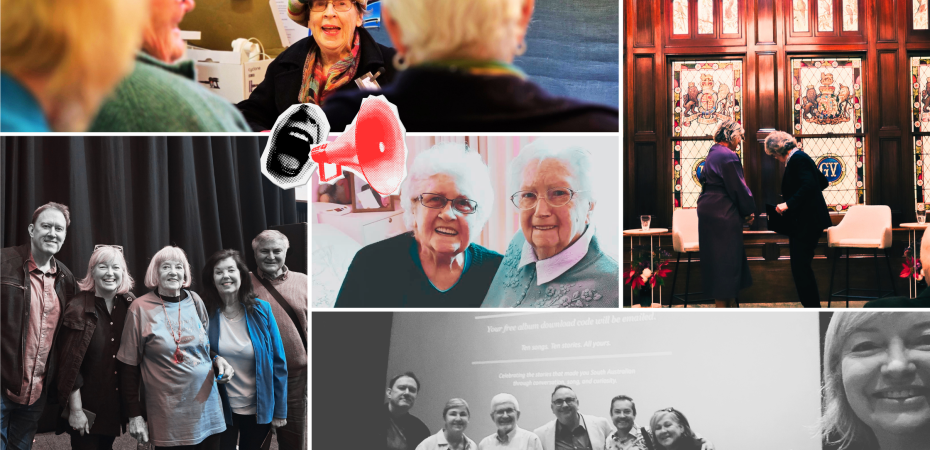
I was reminded recently that ageism often arrives quietly. Not through policy or headline-grabbing controversy, but through a throwaway comment, a stereotype disguised as humour, or an assumption that goes unchallenged. During a communications forum focused on audience engagement, a casual remark about “boomers” highlighted that if we are genuinely committed to inclusion, diversity and understanding our audiences, then age must be part of that conversation. Every generation deserves to be seen as individuals rather than caricatures, and every voice deserves the same respect, whether it appears on TikTok, in the media, or around the community table.
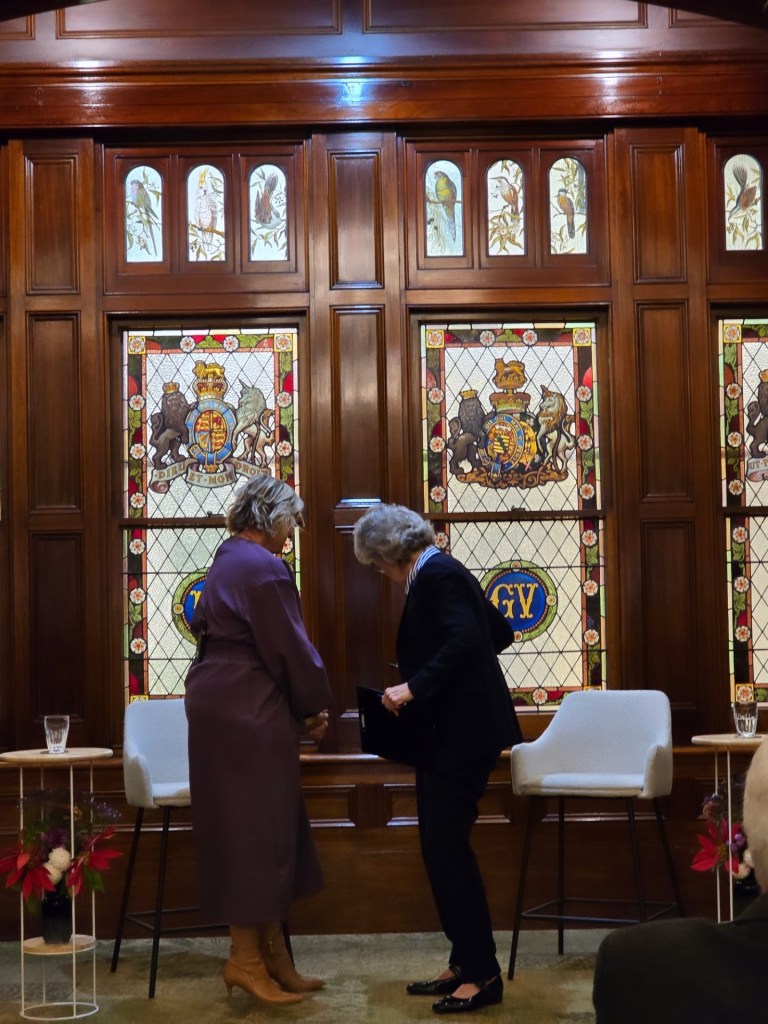
With Her Excellency discussing our history
The first of the Winter Conversations Series at Government House ‘Towards 2036: South Australia’s Bicentenary’ was with our states History Advocate, Dr Kiera Lindsey, who emphasised that understanding history builds critical thinking, strengthens community identity, and supports informed decision-making, particularly in an era of AI and misinformation. Importantly, South Australia’s history is closely linked to democratic progress, including early reforms that expanded participation and representation.
“Success in 2036 will be measured by the strength of relationships, the depth of shared understanding, and the level of community participation built over the next decade. By investing in history, supporting volunteers and organisations, and fostering open, inclusive conversations, South Australia can model how to commemorate a complex past while reinforcing democratic values. The journey to 2036 offers a chance to create a more connected, informed, and forward-looking society grounded in both truth and hope.”
Read more…
https://open.substack.com/pub/greymatterstudio/p/preparing-for-2036-key-insights-from
Lead article
Women Over 50 are Writing their Narrative online
Have you noticed? Women over 50 are no longer waiting quietly to be defined by others. Across social media, you see them increasingly calling out ageism, rejecting invisibility, and pushing back against the tired stereotypes that have long framed older women as irrelevant, undesirable, fragile, or out of step with modern life.
Point taken by a recent ABC News Facebook: As the Cannes Film Festival wraps up for another year, the stars who generated the most headlines for style were all over 50 years old. Here are some of the week’s most memorable looks (images included from ) Cate Blanchett, Jane Fonda, Colman Domingo, Joan Collins, Catherine Deneuve, Isabelle Huppert, Salma Hayek, Philippine Leroy-Beaulieu, Sharon Stone, Demi Moore!
Older women are using their digital platforms to reclaim visibility, shape public narratives, and insist on being seen as complex, capable, politically aware, creative, and present. They are adapting and using their voice!
As researchers have noted, “Social media platforms have enabled previously marginalised older women to reshape social representations of ageing.”
In my humble opinion, the invisibility of older women has never been accidental. Ageism and sexism often intersect, leaving women to navigate a culture that celebrates youth while quietly sidelining older female voices, bodies, and lived experience.
Social media, for all its faults, has potentially disrupted that equation. It has given many older women a public platform to speak in their own voice, challenge reductive assumptions, and build communities that refuse to accept ageing as disappearance. Sure, we are all learning how to deal with the trolls. Dismissive comments, patronising tones, and outright hostility can attempt to police who is “allowed” to speak or be seen. Rather than retreating, they are modelling a form of digital resilience that not only withstands trolling but actively redefines what confident, visible ageing looks like in a networked world. (I’m loving the posts that call out the negative commenter in humour).
The broader lesson (noticed these past few years) is the so-called “boomer backlash” as it’s not simply generational noise or online outrage, it’s the women who spent decades being told to step aside who are now doing the opposite. They are stepping forward loudly (and almost too proudly – as I’ve said a few times, I’ve seen more women’s bras and ways to dress than ever before, but the positive is the open discussion around menopause).
The language we use, the style in which we portray older people, and the way we market to them as customers, consumers and citizens is evolving. No longer the “silent generation” — whatever that was meant to imply — people over 50 have views, opinions, desires, humour, sexuality, ambitions and interests, surprisingly, similar to every other generation.
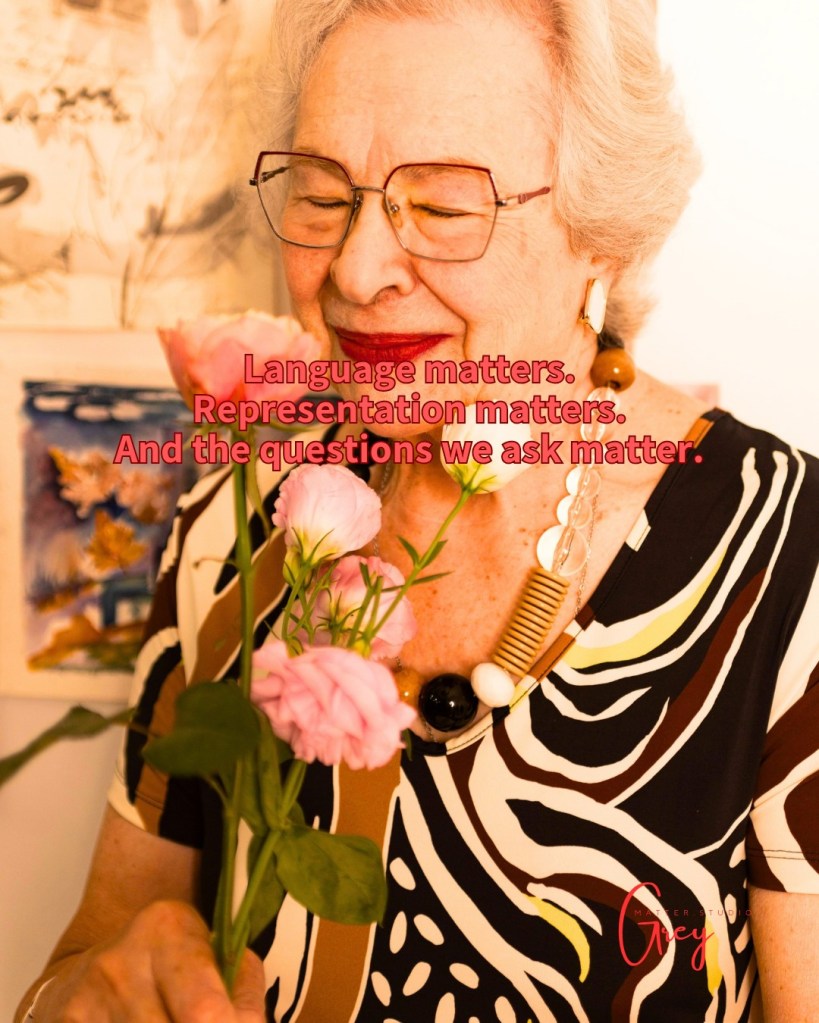
Language shapes perception, and perception shapes who gets seen, heard, valued and taken seriously.
We know plenty about “Boomers,” largely because public debate has spent years flattening an entire generation into caricature. Watch the eyes roll when people start talking about boomers — not with them — and it becomes obvious how quickly age becomes shorthand for dismissal. Yet many older Australians are not wealthy, many continue to work, many volunteer extensively, and many remain deeply invested in the wellbeing of their communities. Their generation came of age amid sexual liberation movements, anti-war protests, supposed moon landings, political upheaval and enormous technological change. Those experiences shaped a cohort that is often far more adaptive, socially aware and politically engaged than stereotypes suggest.
And what about the generations beyond them?
The generations of people in their 70s who are septuagenarians, 80s – the octogenarians, and in their 90s, the nonagenarians, have lived through wars, economic depressions, social revolutions and even more dramatic technological shifts. They have watched fashions, governments, social norms and entire industries rise and collapse. Yet despite this depth of lived experience, few public conversations have focused on normalising their engagement in media, culture and civic life.
In a way, they’re talking mainstream in their own way – because we certainly don’t see them represented in any positive way at this age (generally).
>>
The research by myself and Ron Corso back in 2024, argued that excluding older communities from future thinking and conversations – including in this instance from mainstream media – means ignoring the significant contribution they can make to society’s broader challenges. Our research work supported creating opportunities for older communities to eliminate stereotypes around ageing, to contribute creatively, identify issues of concern, and actively disseminate solutions that would make a meaningful difference.
Importantly, we note that many people have spent decades operating within systems shaped by “conformity, compliance and predetermined structures of workplace culture and society,” creating what we described as a “conformity bias” that discouraged people from challenging assumptions or seeing things differently.
In other words, ageism is not simply personal prejudice; it is structurally reinforced through habit, media, language and outdated models of thinking.
Our project sought to “combine creative practice and social media to the aged debate” by encouraging older people to positively reshape perceptions of ageing and reject the notion that older generations are merely a burden on society.
These findings continue to be significant.
We observed “enthusiasm, originality of ideas and the empowerment and belief in initiating change,” demonstrating how communication, creativity and connection through social media can positively impact wellbeing and help older people actively shape their own futures.
In fact, that may ultimately be the most important point of all.
This is not a quiet movement of older people demanding attention for the sake of it. It’s very much a generation refusing to disappear quietly into stereotypes written by others.
Take note, women over 50 are not asking permission, they are creating media, building audiences, influencing public debate, sharing lived experience and challenging outdated assumptions in real time.
And for perhaps the first time in history, they are doing it collectively, publicly, digitally — and on their own terms.
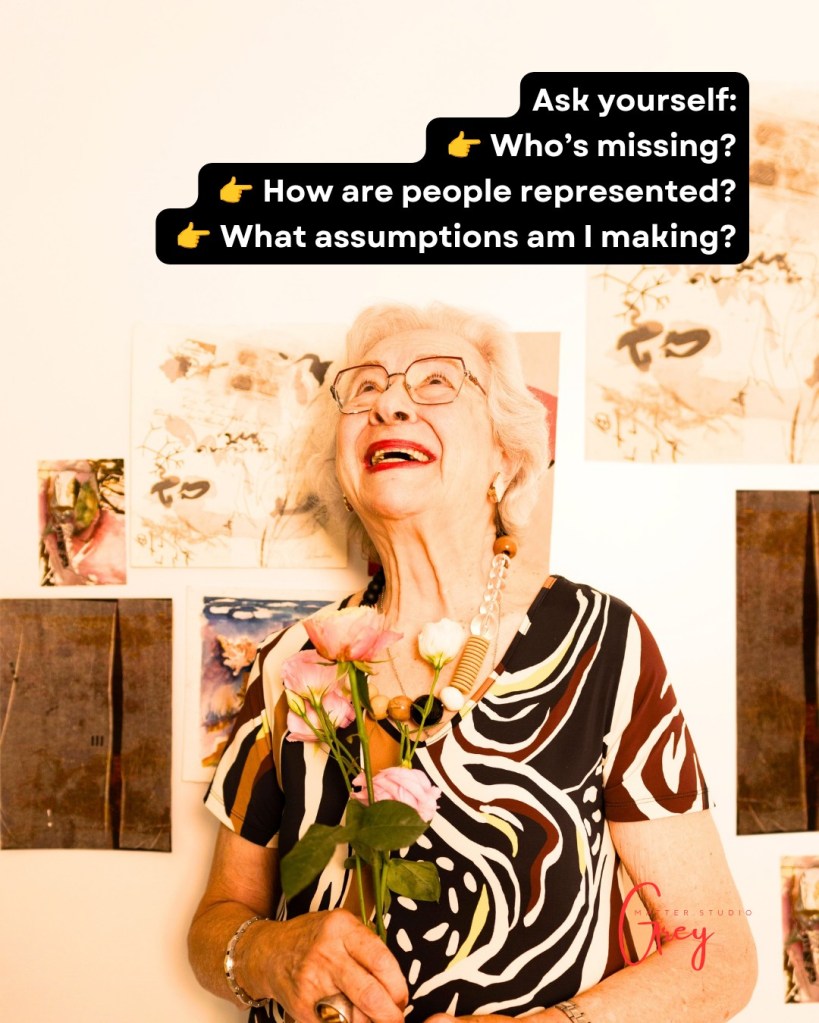
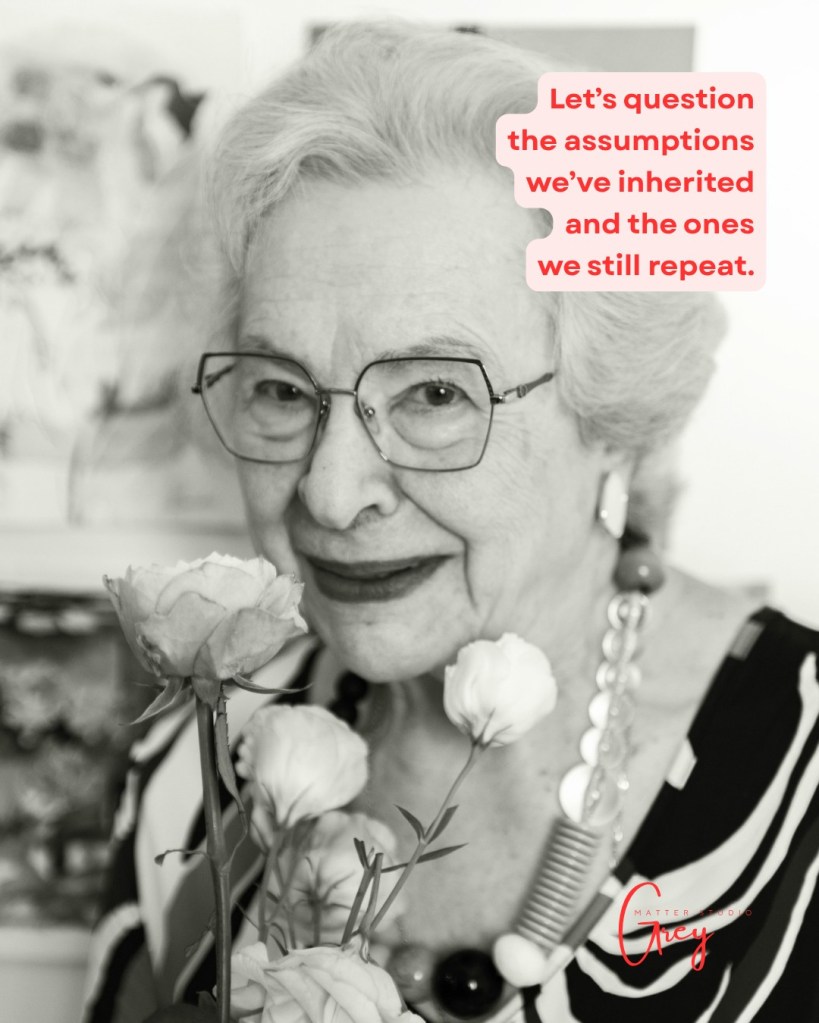
This Age Without Limits Day (10 June), let’s question the assumptions we’ve inherited and the ones we still repeat. Let’s check in with ourselves. 🔗 Learn more: https://www.agewithoutlimits.org/day
Reference
Corso, R., & Robinson, C.-H. (2024). Creating Positive Perceptions of Aged Communities by Combining Creative Practice and Social Media. International Journal of Advanced Corporate Learning (iJAC), 17(2), pp. 53–62. https://doi.org/10.3991/ijac.v17i2.43621
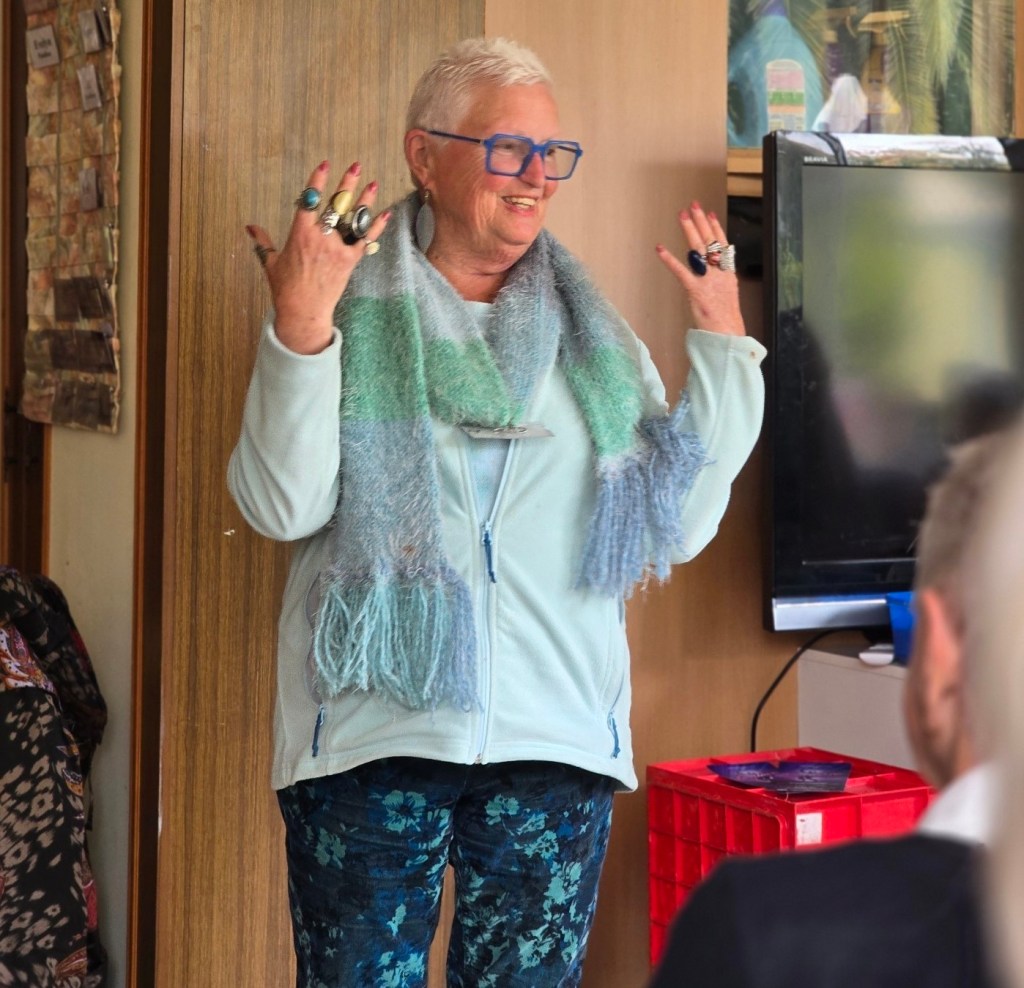
Next Storytelling Session
Saturday 20 June
2-4pm Stories on “Taking Risks”
Venue: Leila’s (msg Charlie for details)
There maybe some hair-raising tales, so come along and take the risk of enjoying yourself!
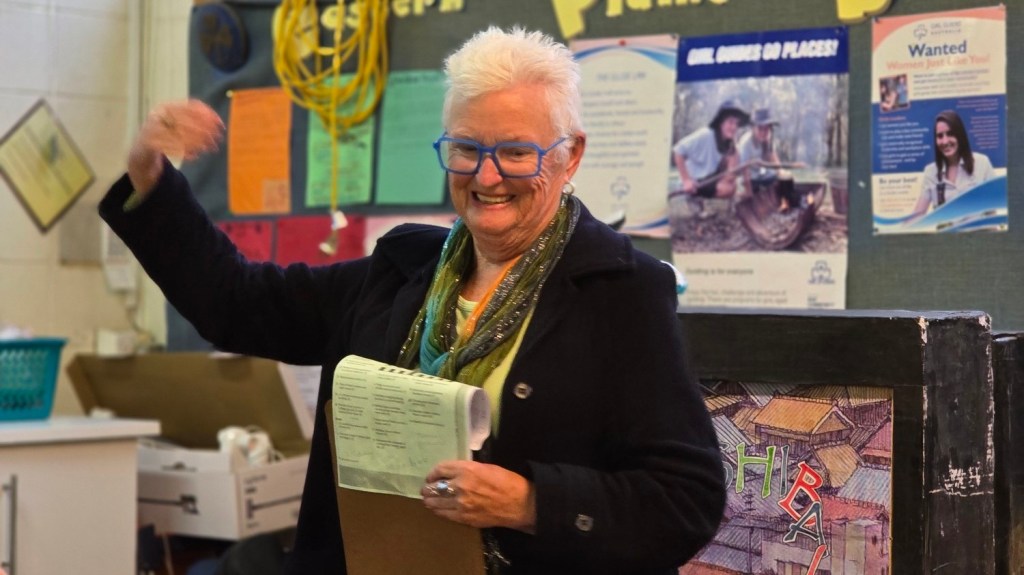
Attended History Festival SA | Storytellers Make Connections
Adults love stories, and the Storytelling Australia (SA) group love to tell and be told them. The afternoon brought together a gathering of new guests and familiar voices for the History Festival SA event.
Across the session, we heard a wide range of stories: from early life and travel in regional South Australia, to reflections on peace movements, media narratives, and moments of unexpected tragedy and misunderstanding. Each storyteller added a distinct thread, yet together they formed a broader picture of how history is carried from the archives to the people.
History is not static. It is spoken, questioned, and continually re-shaped through the act of telling.
History Festival SA | Storytellers Make Connections
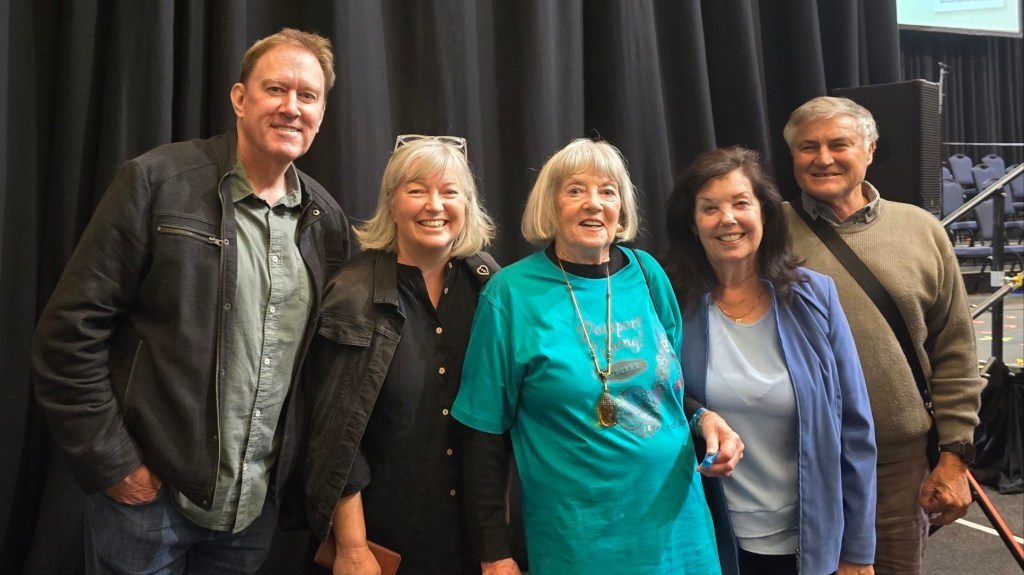
Attended Passport to Song, Sing for Joy ACH Choir (with Dorothy) 9 May, Adelaide Entertainment Centre
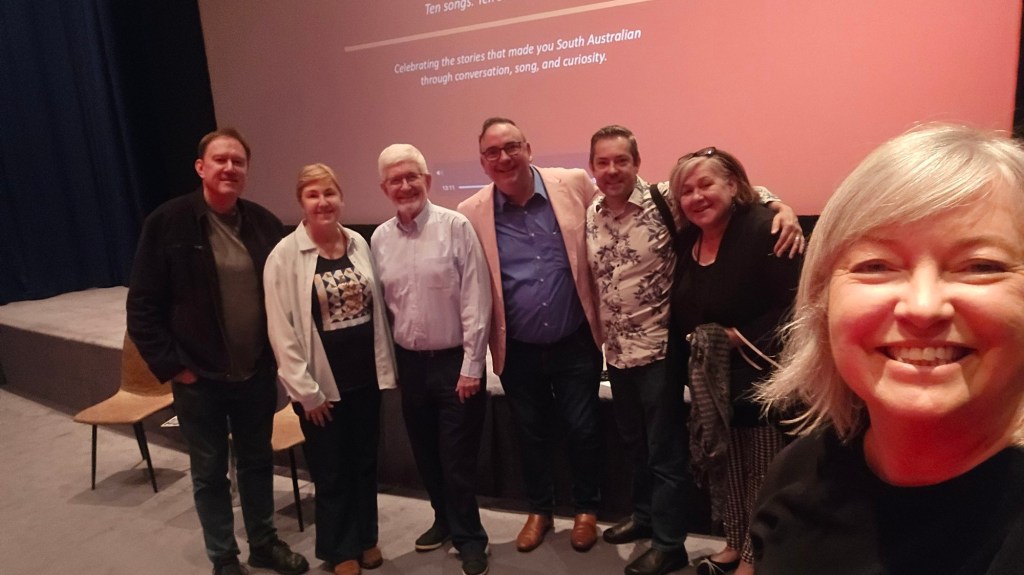
Attended Keith and Steve’s History Hit Parade.
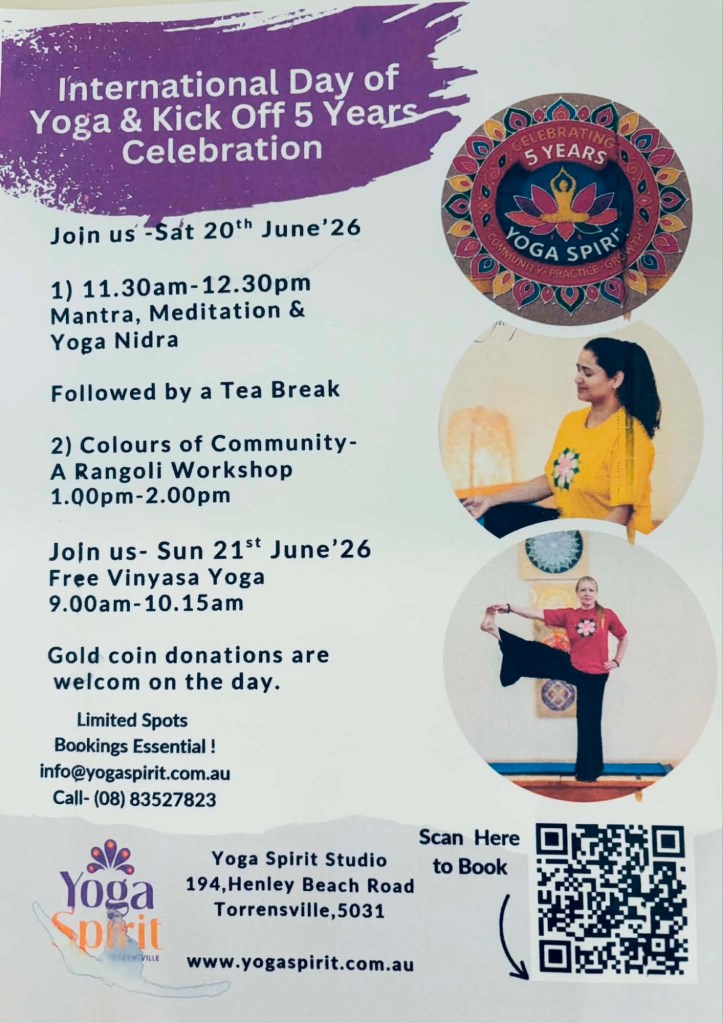
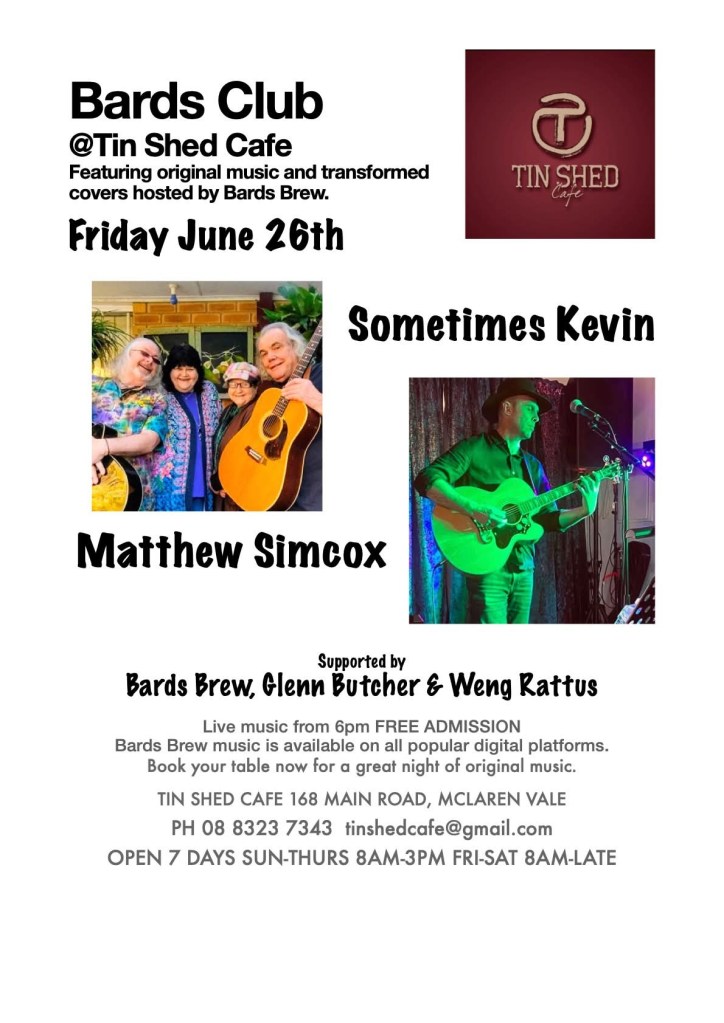
EVENTS
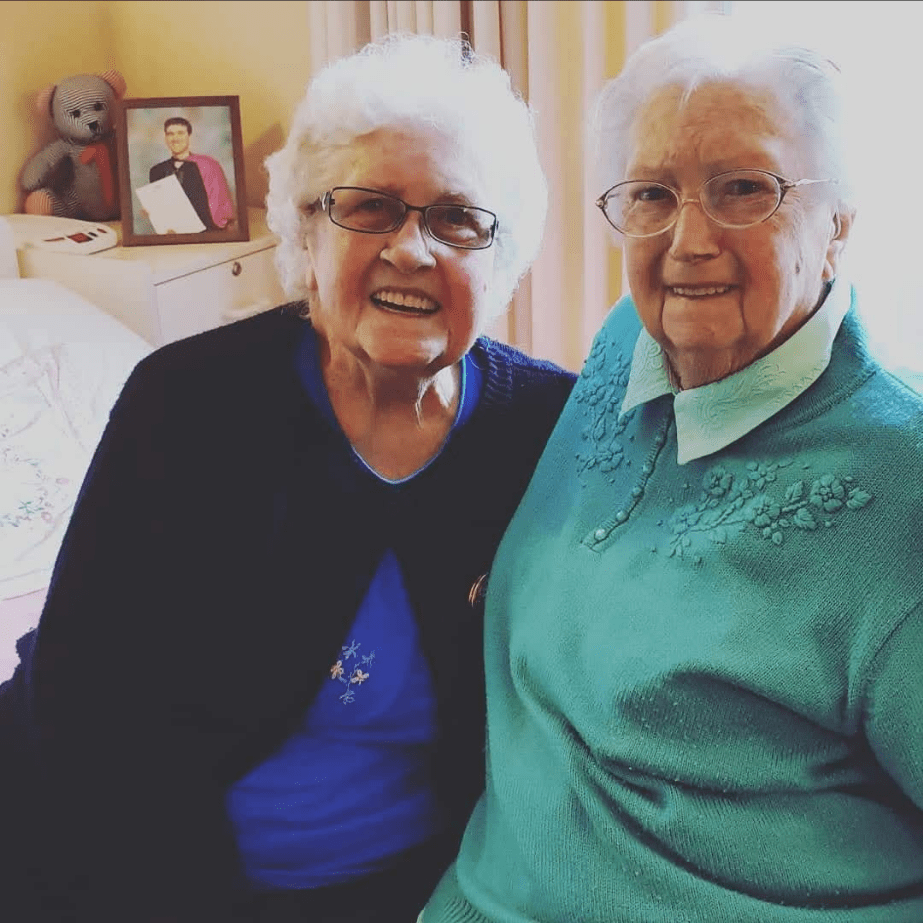
Vale Shiela Bennett
You were a beautiful soul. Our family matriarch, and someone I admired for your love of our family. Mum’s big sister, my treasured Auntie, you always had a beautiful smile for everyone, a fun memory to share, a fabulous laugh and that english poise.
I’ll miss you.
-Charlie
Discover more from GreyMatter.StudioLife
Subscribe to get the latest posts sent to your email.
