
It’s not protein. It’s not sugar. It’s not even fat. It’s calcium!!
New data from the Australian Bureau of Statistics shows more than 60% of Australians aren’t getting enough calcium from their daily diet; a number that hasn’t shifted in over a decade.
For women, the picture is not great. By 50 and over, around 90% are falling short.
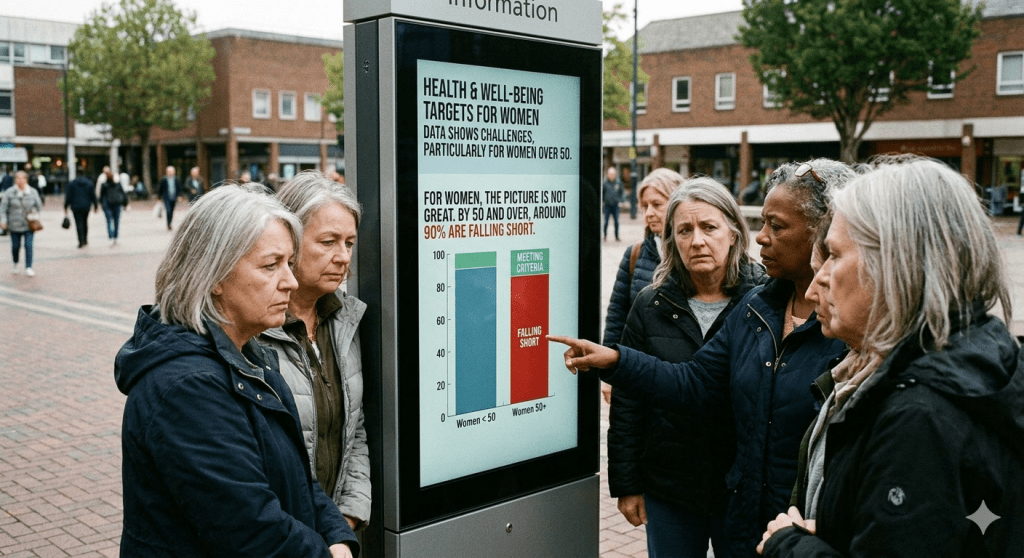
Diets that are low in calcium are linked to an increased risk of developing osteoporosis. -ABS
Over three-quarters of females and over half of males did not meet their calcium requirements. This figure increased to about 90 per cent for females aged 12–17 years and 50 years and over. More calcium is needed at these ages to support bone growth for adolescents and prevent bone deterioration in older adults. -ABS
Calcium isn’t just about bones in the abstract — it’s about mobility, independence, and how well we age (no matter our age).
So, when intake is low over time, the risk of Osteoporosis can rise quietly in the background.
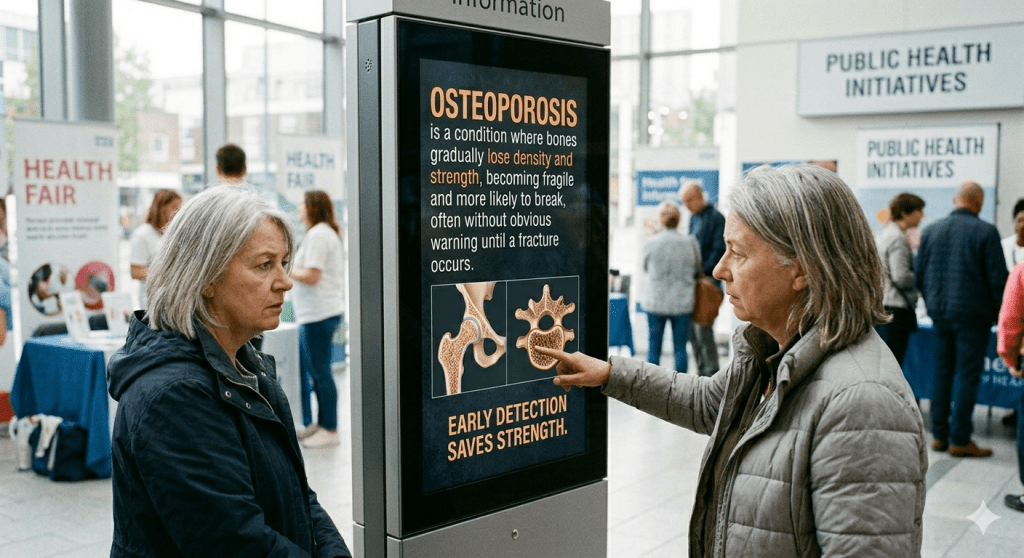
Osteoporosis is a condition where bones gradually lose density and strength, becoming fragile and more likely to break, often without obvious warning until a fracture occurs.
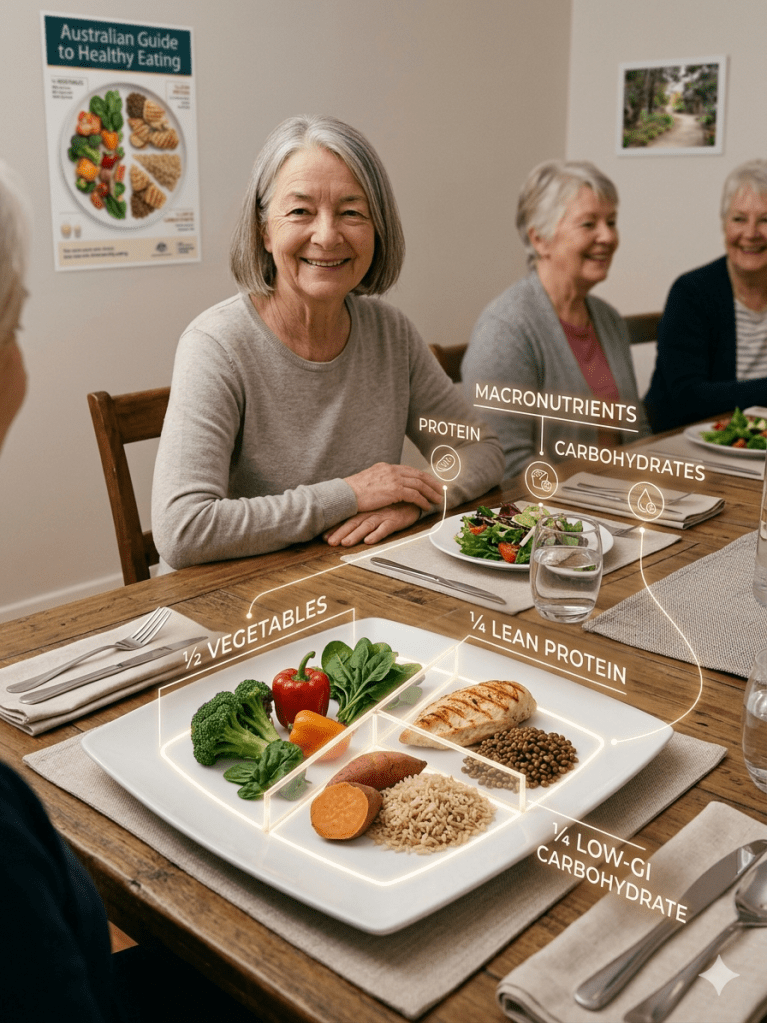
What’s striking is that most people, according to the research, are broadly getting their macronutrients right. So, the system isn’t broken — it’s just clearly missing something.
Time to adjust!
Three ways to close this gap without overthinking it:
1. Build calcium into what you already eat ie add, don’t reinvent. Milk in coffee. Yoghurt with fruit. Cheese in a sandwich. Small integrations outperform big intentions.
This could mean more coffee? ☺️
2. Diversify your sources so it’s not only dairy. Think leafy greens, almonds, tofu, canned fish with bones. The more varied the input, the more resilient the habit.
3. Pair for absorption because calcium apparently doesn’t work in isolation. Vitamin D matters (everywhere). A walk in the sun and regular intake beats occasional “catch-up” efforts. There’s that coffee scenario again 😆
The takeaway is that we are not far off — however “almost enough” doesn’t bode well over time and when it comes to ageing well, the small gaps are the ones that widen.
—
Source
Australian Bureau of Statistics (2026), Australians continue to need more calcium, ABS, viewed 22 March 2026.
Australian Bureau of Statistics (2023), Usual Nutrient Intakes, ABS.
https://www.abs.gov.au/statistics/health/food-and-nutrition/usual-nutrient-intakes/2023
https://www.abs.gov.au/media-centre/media-releases/australians-continue-need-more-calcium#cite-window2
Discover more from GreyMatter.StudioLife
Subscribe to get the latest posts sent to your email.

[…] The Quiet Deficit in Our Diet […]
LikeLike