
For generations, we measured our health by how we felt at the end of a long day or the numbers on the bathroom scale. But a landmark report released this week by the Australian Bureau of Statistics (ABS) has pulled back the curtain on our daily habits with clinical precision.
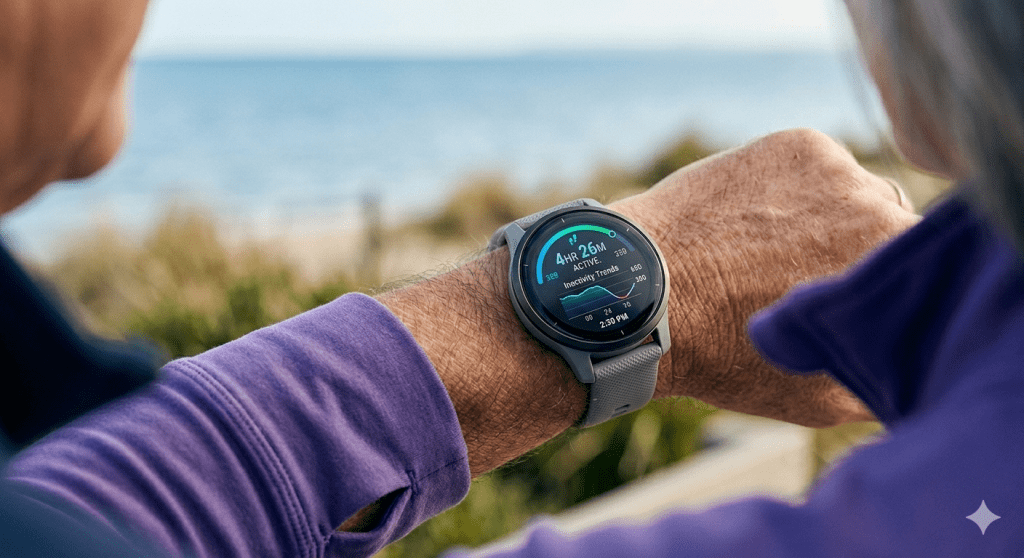
For the first time, the ABS used “accelerometers” ie wrist-worn movement trackers, to give us an unvarnished look at how Australians actually spend their 24 hours.
The results are a wake-up call for all of us, particularly those of us in the 50-plus demographic who are looking to maintain our independence and vitality in the years to come.
According to Matthew Montgomery, the ABS head of health statistics, the average Australian adult is active for about four and a half hours a day. On the surface, that sounds promising. However, the devil is in the detail. Of that time, a staggering two hours and 37 minutes are classified as “light” activity, the gentle movements of daily life, while only four minutes a day are dedicated to vigorous activity.
Perhaps most confronting is the “inactivity” stat: outside of our nightly slumber, adults are remaining sedentary for nearly 12 hours every single day.
As we age, these numbers matter more than ever. We know that physical activity is the “silver bullet” for preventing chronic disease, maintaining bone density, and boosting cognitive health.
If we are spending half our waking lives sitting or stationary, we aren’t just resting; we are rusting.
The report also sheds a light on our bedrooms. While the average adult is clocking in about seven and a half hours of sleep (with a well-deserved extra 20 minutes on weekends), nearly 10 per cent of us are surviving on less than six hours.
For those of us who have raised families, we know the value of sleep, but the data also highlights a modern thief of rest: the screen. The study found that teenagers with screens in their bedrooms lost nearly half an hour of sleep compared to those without. It is a modern habit that many grandparents may want to discuss with their tech-savvy grandkids.
Interestingly, the data shows our youngest children (aged 5 to 11) are moving significantly more than teenagers—doubling the daily exercise of their older siblings. It seems that as life gets more “digital,” we move less.
So, what is the takeaway for the over-50 Australian?
This data shouldn’t discourage us, but rather inspire a shift in perspective. We don’t necessarily need to be marathon runners—those four minutes of vigorous activity are a low bar we can all aim to exceed—but we must address the 12 hours of stillness.
Whether it’s a brisk walk around the block, gardening, or choosing the stairs over the lift, the goal is clear: we need to turn some of that “inactive” time into “active” time.
The wrist-worn devices don’t lie, and they are telling us that it’s time to get Australia moving again.
Data sourced from the Australian Bureau of Statistics (ABS) report “Physical Activity and Sleep,” released March 24, 2026.
Discover more from GreyMatter.StudioLife
Subscribe to get the latest posts sent to your email.

[…] The Clock is Ticking—But Are We Moving Enough? […]
LikeLike